
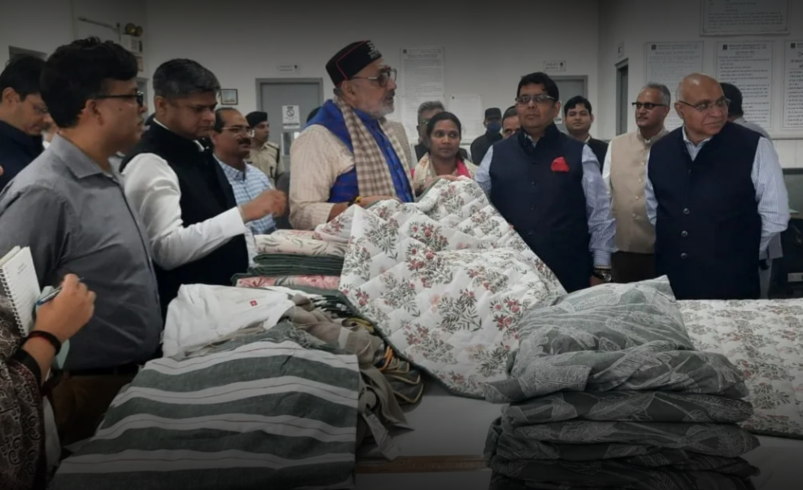

A sharp shift in global supply chains, rising competition from Asian manufacturing hubs, and changing trade policies have pushed India’s textile exporters into a crucial phase. The Ministry of Textiles, currently headed by Giriraj Singh, will oversee implementation of key sectoral measures announced under the budget.
The latest Union Budget has responded with a focused export push of around ₹2,250 crore aimed at strengthening global competitiveness, liquidity, and production capacity for exporters across the textile value chain, especially for Apparel and Fashion manufacturing units.
Export Push and Direct Financial Strengthening
The budget support comes at a time when India’s textile sector continues to remain one of the largest employment generators globally, supporting over 45 million jobs and contributing significantly to exports. The new push is expected to improve working capital flow and help exporters handle longer global payment cycles.
One major policy change includes extending export obligation timelines from 6 months to 12 months for textile garment exporters using duty free imported inputs. This gives exporters more flexibility in fulfilling export commitments and improves cash flow management.
Alongside this, the government has strengthened liquidity support through the Trade Receivables Discounting System by making it mandatory for CPSE procurement from MSMEs and enabling credit guarantee support for invoice discounting.
SME Growth and Capital Access Expansion

To support scale driven export growth, a ₹10,000 crore SME Growth Fund has been introduced to support high performance small manufacturing enterprises and export oriented SMEs.
This fund is expected to:
- Improve export readiness of small apparel manufacturers
- Support technology upgrade and automation
- Enable expansion into EU, UK and US markets
Infrastructure and Production Ecosystem Strengthening
The budget focus on infrastructure and production ecosystem strengthening is expected to improve manufacturing efficiency, logistics speed, and export readiness across textile clusters.
With better industrial parks, upgraded processing units, and improved supply chain connectivity, Apparel and Fashion SMEs and Apparel and Fashion Manufacturers are likely to see reduced production costs and faster turnaround time for global orders.
This push also supports technology adoption, quality certification systems, and large-scale production capability, helping exporters meet rising international demand while maintaining global compliance standards.
Government backed textile infrastructure programs continue to expand under the leadership of Giriraj Singh. PM MITRA textile parks and integrated textile park schemes are driving cluster based manufacturing growth.
India already has more than 50 sanctioned textile parks under integrated schemes, supporting export ready manufacturing ecosystems.
New large scale parks are expected to reduce logistics cost and improve export turnaround time, which is critical for fast fashion global supply chains.
Skill, Technology and Future Export Readiness
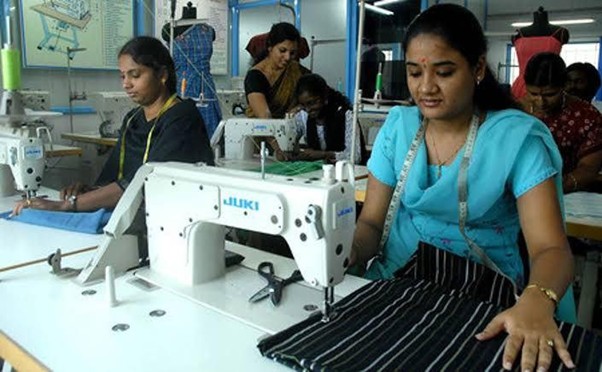
The extended Samarth skill development program continues to support workforce expansion with strong female workforce participation. 2.89 lakh (88.3%) women have already been trained under the program.
Future versions of textile skill programs are being aligned with technical textiles, digital manufacturing, and global compliance standards.
Global Trade Situation and Export Opportunity Window
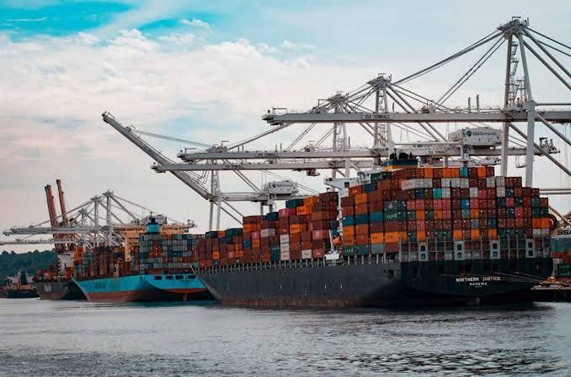
Global trade realignment is creating strong opportunities for India. Apparel export revenue is expected to grow around 9 to 11 percent due to global inventory restocking and China Plus One sourcing strategies.
Lower input duties on specialized yarns and technical textile inputs are expected to further strengthen India’s price competitiveness in global markets.
Key Policy Moves Driving Export Competitiveness
- Export obligation timeline extension improving working capital
- Mandatory TReDS integration improving MSME payment cycles
- SME Growth Fund supporting export scaling
- Textile infrastructure cluster expansion improving production efficiency
International Impact and Strategic Trade Positioning
India is positioning itself as a major alternative sourcing hub for global brands looking to diversify beyond China. Trade relationships with the US, EU, and UK remain key export demand drivers.
With improved infrastructure, financial support, and export flexibility, Indian apparel exporters are expected to increase global market share over the next 2 to 3 years.
The Bigger Picture
The ₹2,250 crore export push under Budget 2026 signals a strategic move toward strengthening export led manufacturing growth. With liquidity, infrastructure, skill development, and SME financing working together, the textile export ecosystem is expected to move toward higher value and higher volume global trade participation.
If effectively implemented, this support can help India move closer to becoming a global textile manufacturing and export hub while strengthening millions of MSME led supply chains across the country.
