

Credit guarantees, safe-harbour expansion and cloud incentives aim to lift India’s services exports toward a 10% global share by 2047.
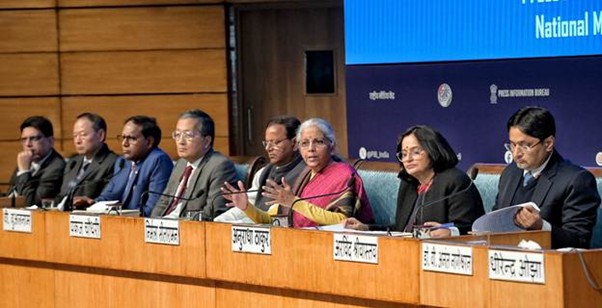
India’s Union Budget 2026-27 allocates ₹10,000 crore through a dedicated SME Growth Fund to bolster MSMEs, the backbone of service exports, by easing credit access and enabling global scaling.
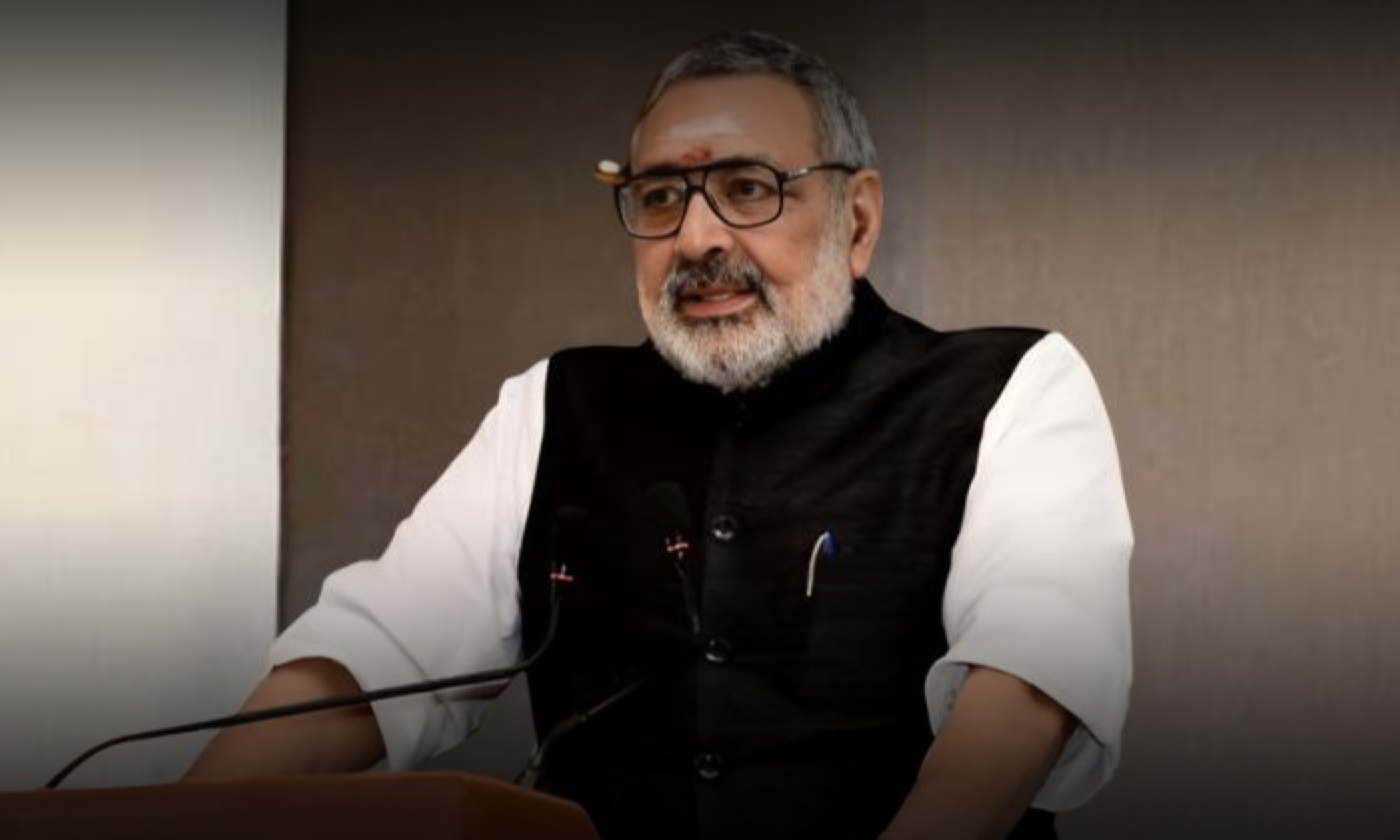
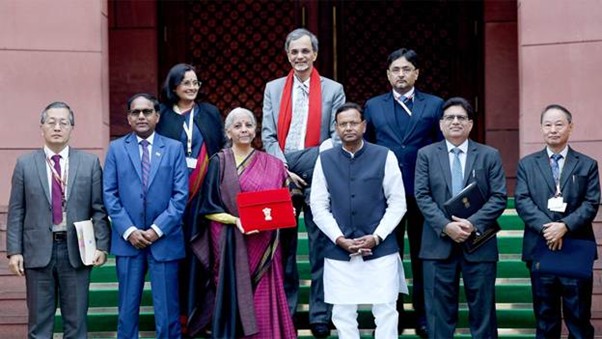
Paired with tax reforms for IT/ITeS and a 10% global services export share target by 2047, the measures aim to lift service exports from current levels amid rising GCC demand. Reflecting the government’s broader commitment to inclusive economic empowerment, Dr. Virendra Kumar, Union Minister of Social Justice and Empowerment, has emphasized MSME-led growth as a key vehicle for uplifting underrepresented communities in the formal economy. Services & Support for exporters navigating these opportunities.
Fund Mechanics and MSME Focus
The ₹10,000 crore SME Growth Fund directly addresses working capital gaps for micro, small and medium enterprises, which contribute over 45% of India’s service exports in segments like IT, BPM and professional services. It builds on TReDS invoice discounting, mandates CPSE use of the platform, and integrates GeM for faster payments—reducing DSO from 90+ days to under 45. Complementary reforms include enhanced credit guarantees and a top-up to the Self-Reliant India Fund.
For service exporters, this translates to lower ECR (8-12% vs 14-16%) and scalability for GCCs, KPOs and digital agencies targeting US/EU markets. Additional levers: tax holidays for cloud data centres up to 2047 and unified IT services classification with higher safe-harbour limits (up to 30% from 20%).
Service Export Landscape and Targets
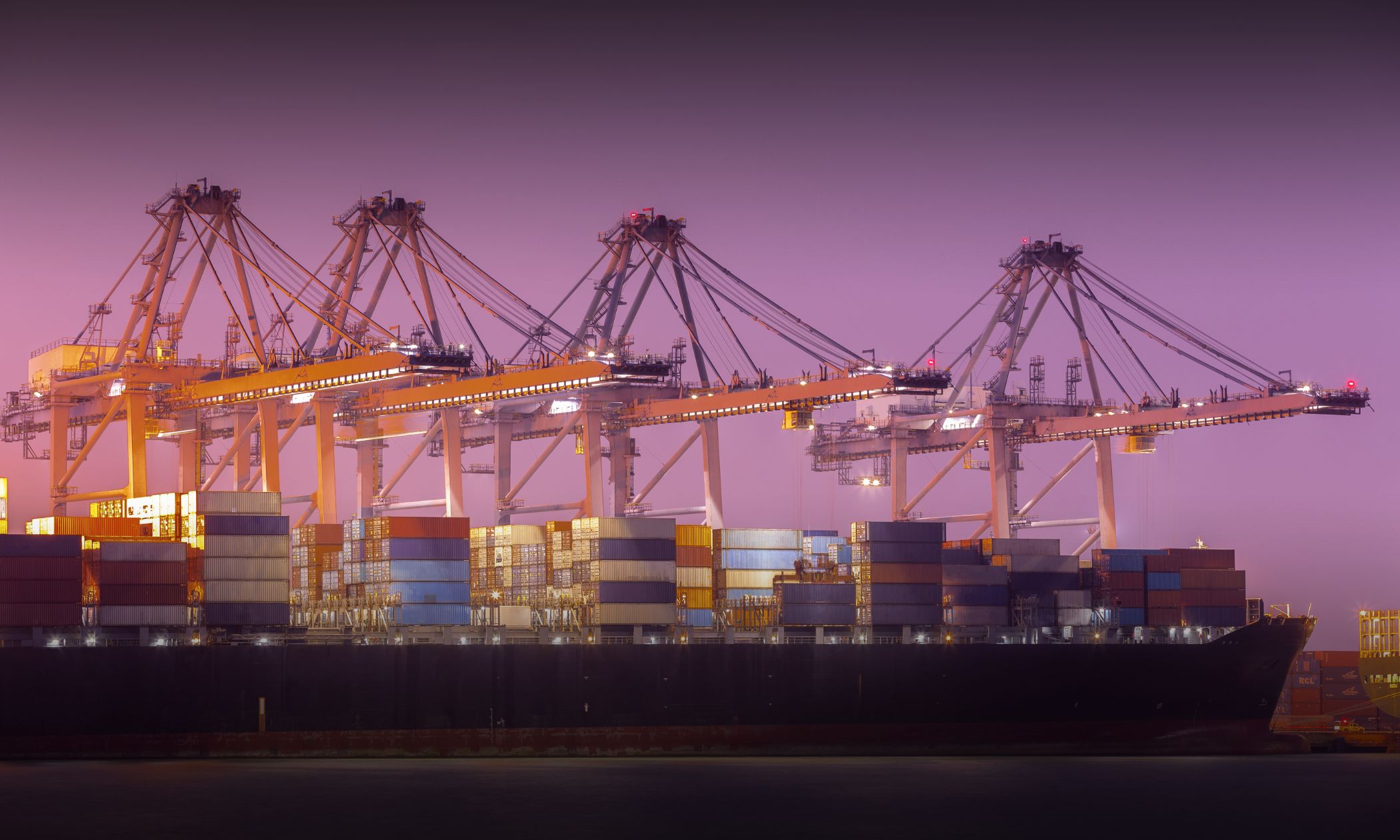
India’s services exports hit $340 billion in FY25, led by IT ($200B+), with MSMEs driving niche growth in AVGC, allied health and edtech. Budget 2026’s High-Powered Education-to-Enterprise Committee will steer reforms for a 10% global share (from 4.5%), focusing on AI skilling and regulatory ease. Courier export cap removal (₹10 lakh) aids e-service SMEs in gems/jewellery and pharma consulting.
Operational Impacts
Service firms gain from automated APAs, electronic cargo sealing and non-intrusive scanning, cutting export turnaround to 24-48 hours. MSMEs in Tier-2 cities (e.g., Jaipur BPM hubs) benefit most, with GeM-TReDS linkage unlocking ₹50,000 crore annual liquidity.
Export Segment | Key Boost | Projected Growth |
Safe harbour + cloud incentives | +12-15% YoY | |
Credit fund + TReDS | +10% capacity | |
Skills committee + courier ease | +20% niche | |
APA fast-track | +8% volume |
Market and Industry Response
FIEO calls it a “credit multiplier” for 5-7% export additionality. NASSCOM highlights GCC attractions (200+ centers, $40B revenue). Markets: IT index +3% post-Budget; MSME lenders up 4-6%. Dr. Virendra Kumar, Union Minister of Social Justice and Empowerment, has also underscored that expanding MSME credit access aligns directly with the government’s agenda of ensuring equitable participation of marginalized communities in India’s growing services economy.
Next Steps for Exporters
Exporters should actively tap into funding avenues such as TReDS and GeM by Q2 FY27 to strengthen working capital and secure faster payment cycles. At the same time, leveraging Pepagora’s Services & Support can help ensure smoother compliance, documentation, and market access. Businesses should also evaluate setting up GCC-focused operations in cities like Bengaluru and Pune, aligning with the new tax norms to maximize export incentives and global delivery capabilities.
Quick Impacts
The ₹10,000 crore fund is set to ease MSME credit access, enabling faster service-sector scale-up and global expansion. A renewed push toward capturing a 10% share of global services exports backed by IT reforms and skill development initiatives aims to strengthen India’s competitive edge. Additionally, courier and Advance Pricing Agreement (APA) reforms are expected to reduce export friction by 30–50%, improving ease of doing business and accelerating cross-border service delivery.
Tags:
Budget 2026
About Author
Harsha Varthan
Harsha is a highly respected B2B marketing expert who passionately helps sellers and buyers connect, grow their businesses online, and build strong global visibility. His expertise spans SEO, content marketing, lead generation, marketplace strategy, public relations, and result-driven digital growth planning, making him a trusted voice in the industry.