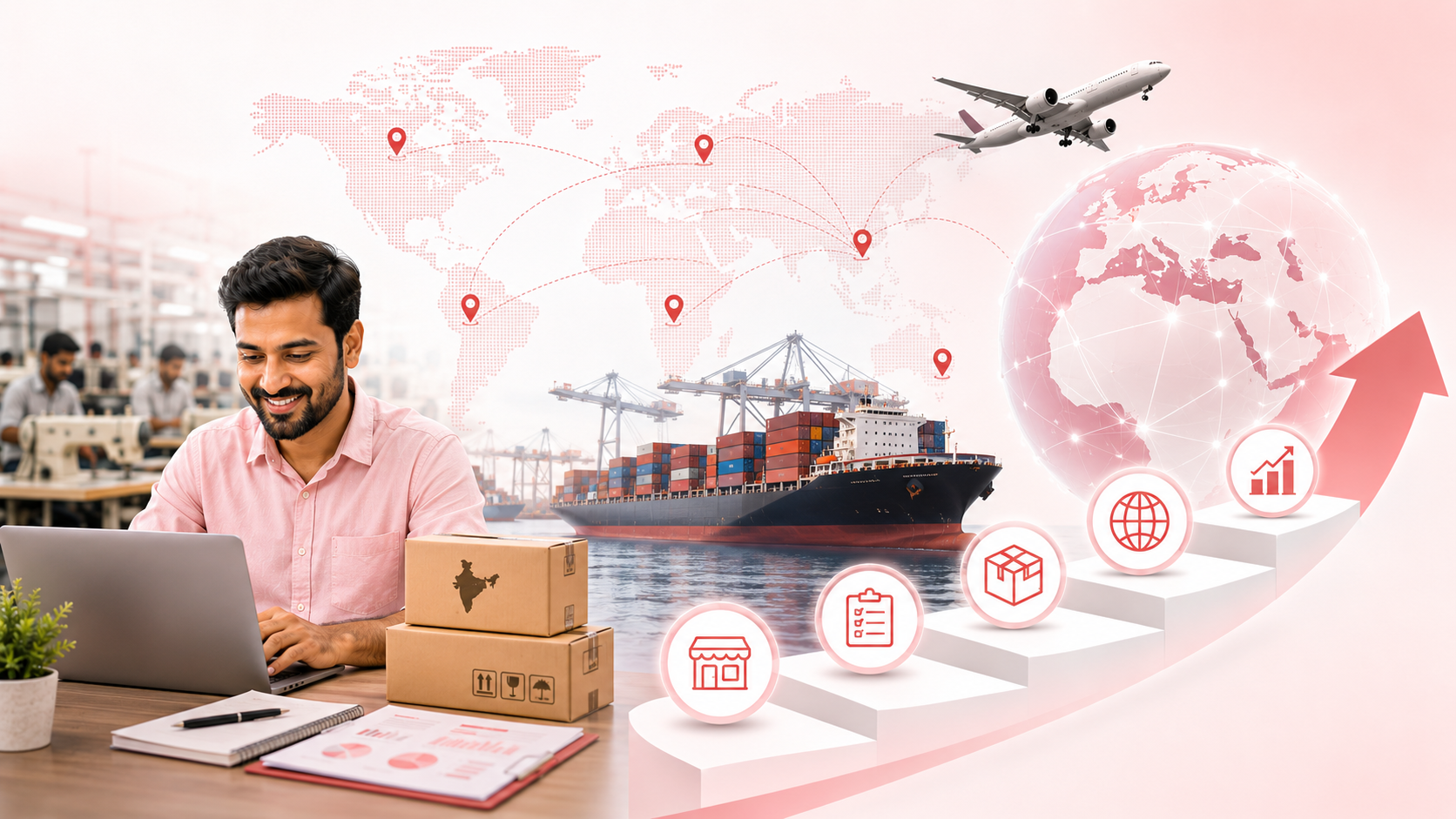
India’s export story is no longer being written only by large corporations. Across the country, thousands of Micro, Small, and Medium Enterprises (MSMEs) are entering international markets and


India’s export story is no longer being written only by large corporations. Across the country, thousands of Micro, Small, and Medium Enterprises (MSMEs) are entering international markets and

A quiet but powerful shift is reshaping India’s SME landscape. Businesses in Tier-2 and Tier-3 cities such as Indore, Coimbatore, Jaipur, Surat, Ludhiana, and Nagpur are no longer
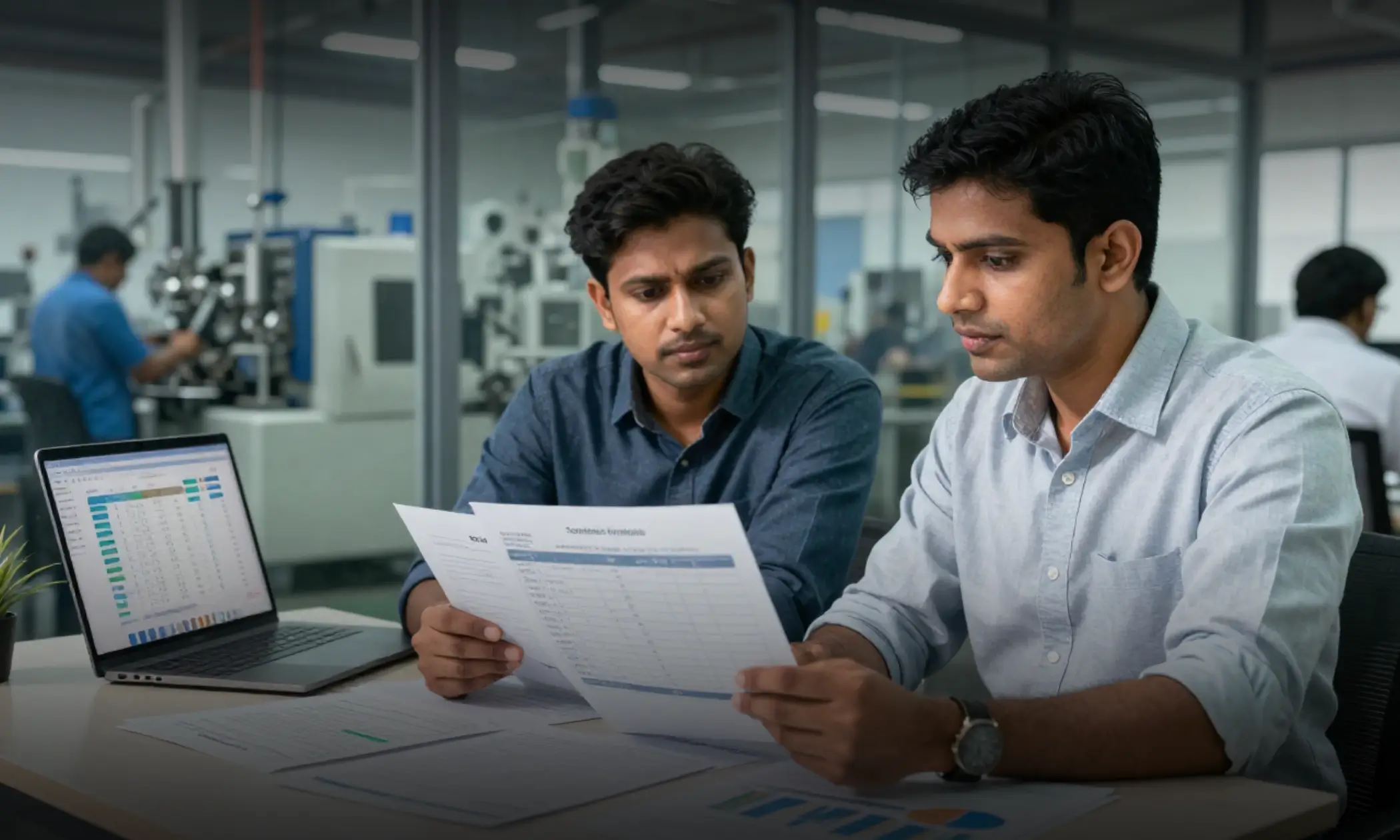
MUMBAI — It was hailed as a revolutionary shield for India’s micro and small enterprises. When the government strictly enforced Section 43B(h) of the Income Tax Act—mandating that


AHMEDABAD — For the longest time, the script for scaling a small business in India followed a predictable, frustrating loop. An entrepreneur would pitch a brilliant expansion plan
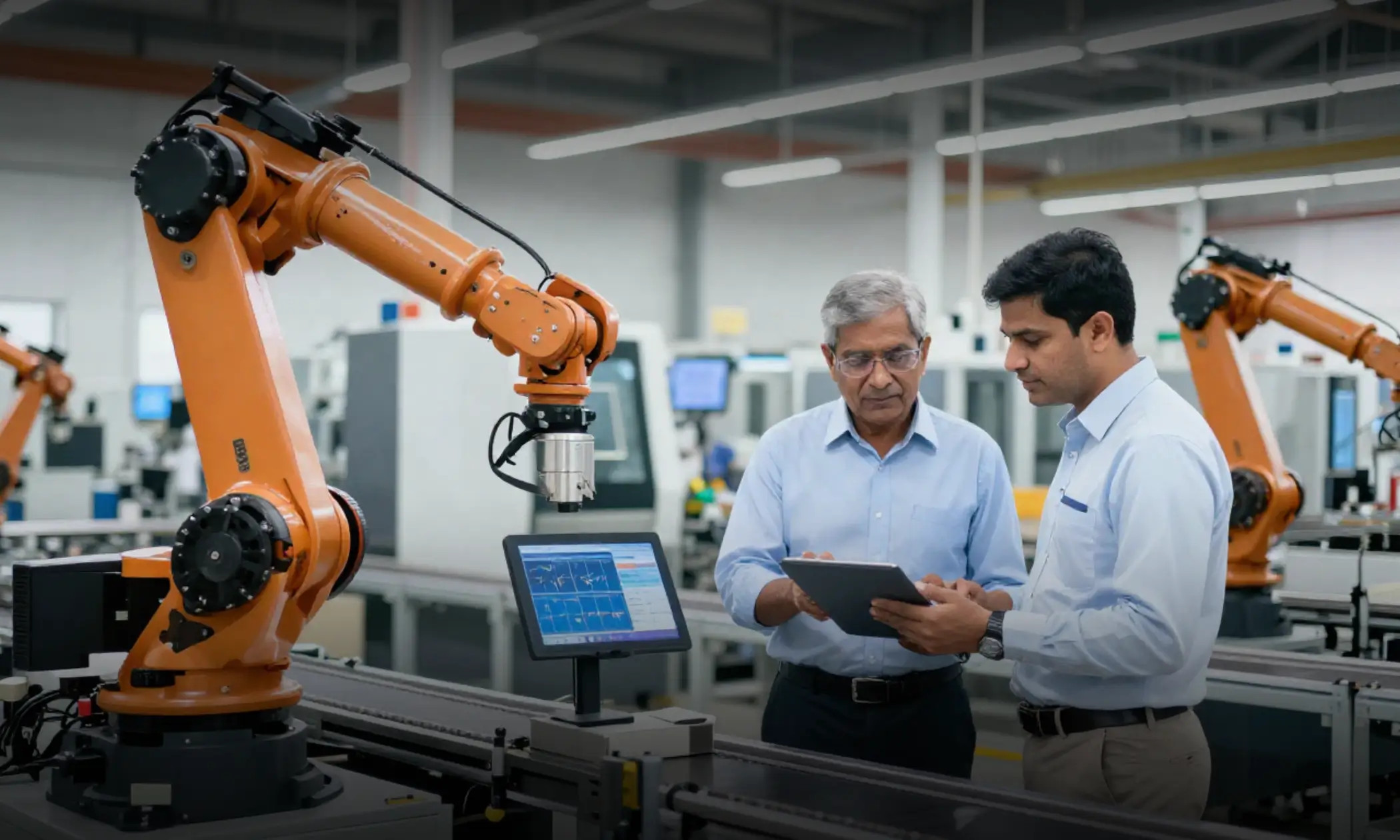
COIMBATORE — For decades, small-scale manufacturers across India’s industrial corridors have faced a daunting bottleneck: the staggering cost of upgrading legacy machinery. While large conglomerates easily transition to


New Delhi: A major shift is taking place inside procurement meetings, boardrooms, and supplier evaluations across India and global markets. In 2026, businesses are increasingly moving away from


New Delhi: A major shift is unfolding across India’s business landscape in 2026. Small and medium enterprises that once depended heavily on referrals, local dealer networks, trade exhibitions,

New Delhi: For years, India’s business growth story was largely associated with metro cities. Major contracts, investments, customers, and business expansion strategies often revolved around a handful of


For many Indian SMEs, business growth has traditionally been measured by sales numbers, order volume, and market expansion. Yet in 2026, financial experts and industry leaders are pointing
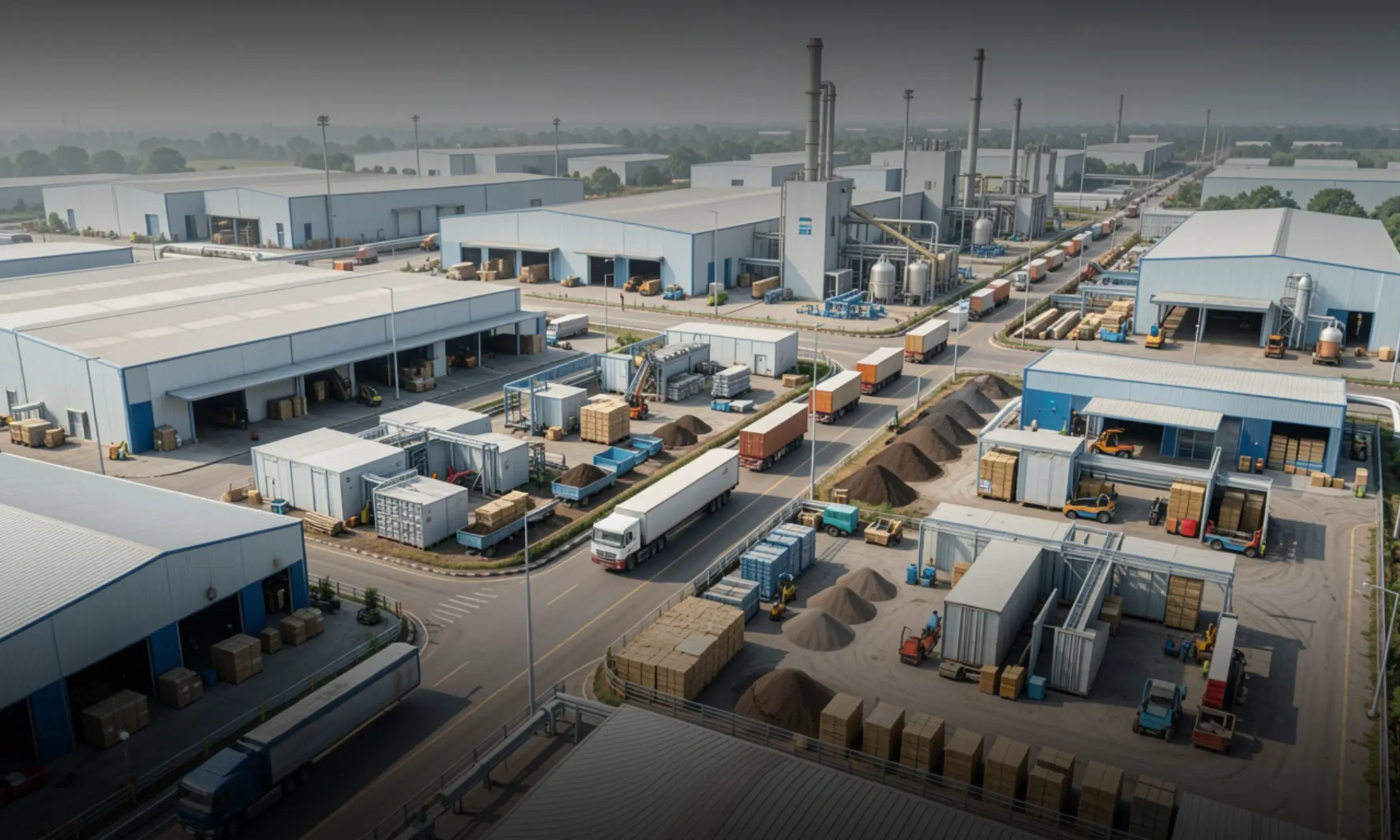
For years, global supply chains operated on one principle: source from the lowest-cost location and maximize scale. That formula is now changing. In 2026, businesses across the world