
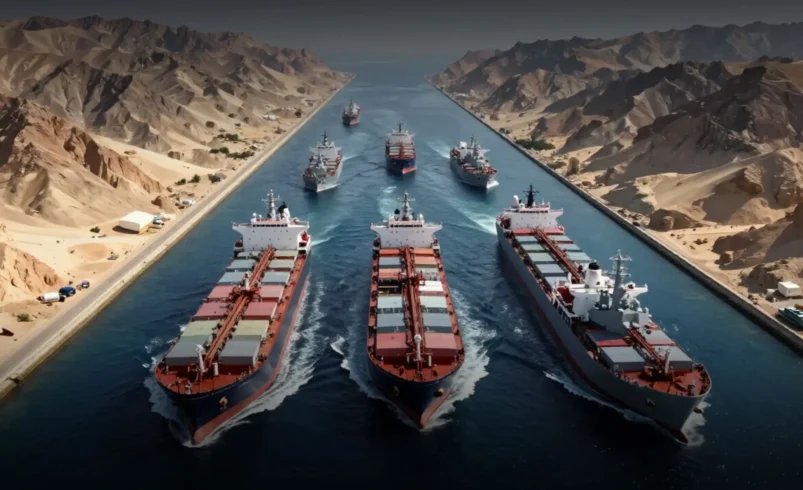

The escalating conflict involving Iran is doing more than just driving up the price of petrol; it’s creating a “domino effect” across several unexpected global industries. Because the Middle East is a central hub for raw materials and shipping, the war is causing shortages and price spikes for items we use every day.
Here are six key commodities—beyond oil and gas—that are being hit hard:
1. Aluminium
The Persian Gulf produces about 8% of the world’s aluminium. With major smelters in Qatar and Bahrain halting deliveries due to the conflict, prices have jumped to their highest levels in nearly four years. This affects everything from soda cans and kitchen foil to car parts and construction materials.
2. Fertilizers (Urea and Sulfur)
This is a major concern for global food security. About one-third of the world’s Urea (a nitrogen fertilizer) passes through the Strait of Hormuz. Additionally, nearly half of the world’s Sulfur—used to make various fertilizers—is currently “trapped” in the Gulf. Prices have surged by 35%, which could eventually lead to higher grocery bills as farming becomes more expensive.
3. Helium
You might think of balloons, but helium is critical for high-tech manufacturing, including MRI machines and semiconductors. Qatar produces one-third of the world’s helium. After strikes hit key industrial hubs, a quarter of the global supply is now at risk of being cut off.
4. Ethanol and Sugar
This impact comes from as far away as Brazil. When oil prices go up, Brazilian mills stop making sugar and start making ethanol (fuel) because it’s more profitable. This shift can cause a shortage of sugar on the global market, leading to higher prices for sweets and processed foods.
5. Food Exports (Rice and Fresh Produce)
Shipping delays are leaving thousands of tonnes of Indian Basmati rice stranded at sea. Meanwhile, Iran—a top supplier of fruits and vegetables to neighboring regions—has banned food exports entirely to protect its own supplies. Retailers are now having to fly food in on cargo planes, which is much more expensive than shipping it by boat.
6. Industrial Chemicals (Feedstock)
Chemicals like Ethylene and Acrylic Acid are the “building blocks” for products like plastics, paints, detergents, and even diapers. The cost of these raw materials has spiked (some by over 60%) because the shipping routes used to transport them are either blocked or too dangerous to navigate.
Why this matters to you:
Even if you don’t live near the conflict, these disruptions mean that the products you buy—from a gallon of milk to a new smartphone—could soon become more expensive or harder to find. The “Strait of Hormuz” acts like a narrow throat for global trade; when it’s restricted, the whole world feels the squeeze.