
Mid-Sized Indian Manufacturers Gain from Global Supply Chain Shifts: Expanding Exports and Entering New Markets
The global manufacturing landscape is undergoing a visible transition. For decades, countries across the world depended heavily on China for large-scale manufacturing and sourcing. However, disruptions caused by the pandemic, rising labor costs, geopolitical tensions, and the need for supply chain resilience have pushed global buyers to rethink their sourcing strategies.
This shift has opened up significant opportunities for mid-sized manufacturers India, enabling them to expand exports, attract international buyers, and build long-term global partnerships.
The Global Shift Away from Single-Country Dependency
The “China Plus One” strategy is now widely adopted by global corporations. Instead of relying on a single country, businesses are diversifying their sourcing base to reduce risks.
Some key reasons driving this shift include:
• Supply chain disruptions during COVID-19
• Increasing labor and production costs in China
• Trade tensions between major economies
• Demand for supply chain flexibility and risk management
According to recent trade estimates, over 60% of global companies are actively diversifying their supplier base, with India emerging as one of the top alternatives.
This trend has directly benefited manufacturing SMEs India and mid-sized enterprises that can offer competitive pricing and reliable production.
Why India Is Emerging as a Preferred Manufacturing Destination
India’s rise as a global manufacturing hub is supported by several structural advantages.
Competitive Cost Structure
India offers lower labor costs compared to many developed economies, making it attractive for cost-sensitive manufacturing.
Skilled Workforce
The country has a large pool of engineers, technicians, and skilled workers, especially in sectors like automotive, electronics, textiles, and engineering goods.
Government Support
Initiatives such as Production Linked Incentive schemes, Make in India, and export promotion policies are strengthening the manufacturing ecosystem.
Expanding Infrastructure
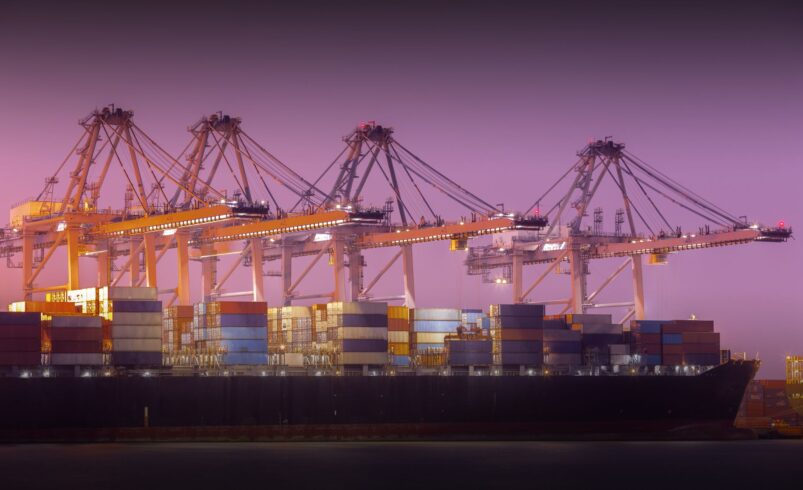
Improved logistics, ports, and industrial corridors are enhancing India’s ability to serve global markets efficiently.
These factors are encouraging global buyers to search for Indian manufacturing suppliers and build long-term sourcing partnerships.
Key Sectors Benefiting from Supply Chain Diversification
Several industries are seeing increased global demand as sourcing shifts toward India.
Engineering Goods and Auto Components
India has a strong base of automotive components manufacturers India supplying precision parts to global OEMs. Engineering goods exports have crossed USD 100 billion annually, reflecting strong international demand.
Electronics and Electrical Equipment
With increasing global demand for electronics, India is expanding its role in manufacturing mobile phones, components, and electrical equipment. The electronics sector alone has seen exports grow rapidly in recent years.
Textiles and Apparel
India’s textile sector remains a major export contributor. Buyers shifting away from China are sourcing from textile manufacturers India for garments, fabrics, and home textiles.
Chemicals and Pharmaceuticals
India is already a major global supplier of generic medicines and specialty chemicals. The shift in supply chains is further strengthening demand for chemical exporters India and pharmaceutical manufacturers.
Industrial Machinery and Equipment
Global demand for cost-effective industrial equipment is benefiting industrial machinery manufacturers India, especially those supplying to developing markets.
Export Growth: Data and Market Trends
India’s export performance reflects the benefits of global supply chain realignment.
• India’s total exports crossed USD 770 billion (goods and services combined) in recent estimates
• Engineering goods exports account for over 25% of total merchandise exports
• Electronics exports have grown by more than 40% in recent years
• The government aims to reach USD 1 trillion in exports within the next few years
Mid-sized manufacturers are playing a critical role in this growth by supplying components, finished goods, and intermediate products to global buyers.
New Market Opportunities for Indian Manufacturers
As companies diversify sourcing, Indian manufacturers are gaining access to new markets.
United States and Europe
Large importers are actively looking for alternatives to China, creating demand for Indian exporters across multiple sectors.
Middle East
Infrastructure growth and industrial expansion in Gulf countries are increasing demand for Indian products.
Africa and Southeast Asia
Emerging markets are sourcing machinery, consumer goods, and industrial products from India due to competitive pricing.
For businesses listed as exporters India, these regions offer significant expansion opportunities.
How Mid-Sized Manufacturers Can Capitalize on This Shift
While the opportunity is large, success depends on how effectively businesses position themselves.
Strengthen Quality and Compliance
Global buyers expect strict adherence to quality standards and certifications. Meeting these requirements is essential for long-term contracts.
Build Export Readiness
Companies must focus on:
• export documentation and compliance
• logistics and packaging standards
• currency and payment management
Businesses searching for export business India often prioritize suppliers who demonstrate strong export capabilities.
Invest in Technology and Automation
Modern manufacturing technologies improve efficiency, reduce errors, and enhance product quality.
Develop Strong Digital Presence
Today, buyers search online using terms like:
• manufacturers India
• exporters India
• B2B suppliers India
• industrial product suppliers India
Maintaining a digital catalog and company profile helps manufacturers attract global buyers.
Build Long-Term Buyer Relationships
Consistency in quality, communication, and delivery timelines is key to retaining international clients.
Challenges That Need Attention
Despite the opportunities, mid-sized manufacturers face certain challenges.
Infrastructure Gaps
While improving, logistics and transport infrastructure still need further development in some regions.
Access to Finance
Many SMEs face limitations in accessing affordable credit for expansion and technology upgrades.
Competition from Other Countries
Countries like Vietnam, Bangladesh, and Mexico are also competing for global manufacturing share.
Regulatory Compliance
Export regulations, documentation, and certifications can be complex for smaller businesses.
Addressing these challenges is essential for sustaining long-term growth.
Role of Digital B2B Platforms in Export Expansion
Digital B2B platforms are playing a crucial role in connecting Indian manufacturers with global buyers.
These platforms help businesses:
• showcase product catalogs
• improve visibility in global searches
• generate verified business inquiries
• build credibility with international buyers
Companies listed as B2B suppliers India or manufacturers India on digital platforms are better positioned to capture new opportunities created by supply chain shifts.
Future Outlook: A Long-Term Opportunity for Indian Manufacturing
The global supply chain transformation is not a short-term adjustment. It represents a long-term structural change in how businesses source products.
India is expected to continue gaining from this shift due to:
• strong manufacturing base
• growing export ecosystem
• supportive government policies
• increasing global trust in Indian suppliers
Mid-sized manufacturers, in particular, are well positioned to scale operations, enter new markets, and become key players in global supply chains.
Conclusion
The shift away from concentrated sourcing is reshaping global trade dynamics. For mid-sized manufacturers India, this moment presents a rare opportunity to move from domestic players to global suppliers.
Businesses that focus on quality, compliance, digital visibility, and export readiness can unlock new markets and build sustainable growth.
As global buyers continue to diversify, Indian manufacturers have the chance to establish themselves as reliable, competitive, and long-term partners in the evolving global supply chain.