

Budget 2026 boosts SME Growth Fund by ₹10,000 crore to help fashion makers
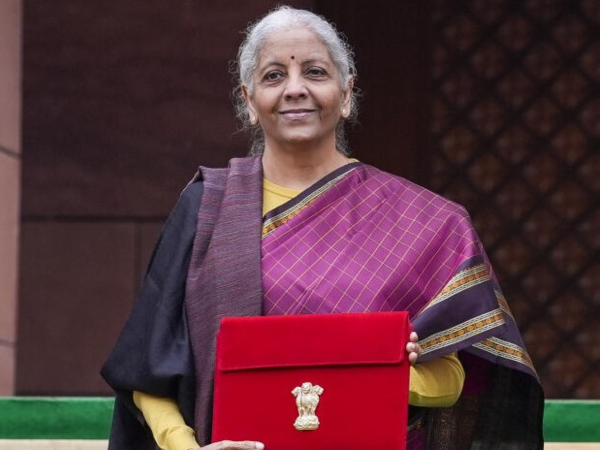
The Union Budget 2026 sent a strong signal to India’s manufacturing backbone by introducing a major equity-led push for small businesses, a move expected to directly benefit apparel and fashion manufacturers across the country. Announced by Finance Minister Nirmala Sitharaman in Parliament on February 1, 2026, the policy comes at a time when MSMEs are navigating high input costs, tight credit conditions and volatile global demand.
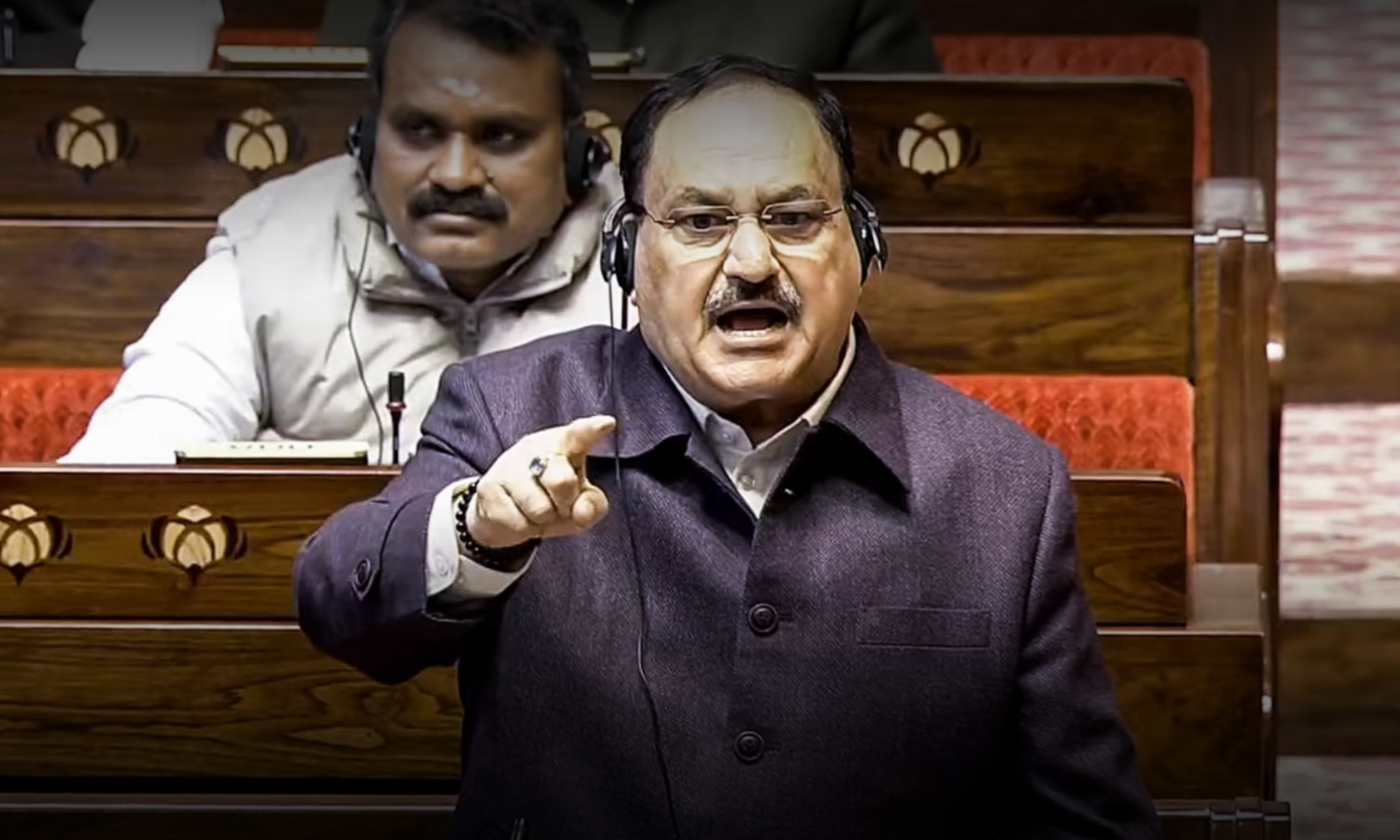
The announcement was welcomed by Union Textiles Minister Giriraj Singh, who heads the Ministry of Textiles responsible for the apparel and fashion manufacturing sector.
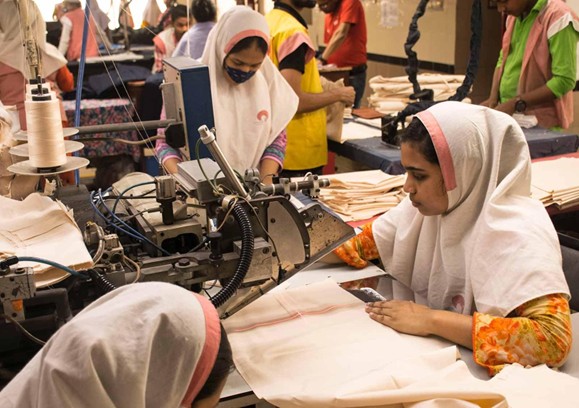
Fashion manufacturing in India remains largely MSME-driven, spread across clusters in Tamil Nadu, Gujarat, Uttar Pradesh, West Bengal and the National Capital Region.
Union Textiles Minister Giriraj Singh has previously emphasised the importance of strengthening MSME-driven manufacturing clusters to enhance competitiveness and employment generation.
Policymakers have acknowledged that while demand exists, many units struggle to scale due to lack of patient capital and delayed payments.
What Budget 2026 introduces for MSMEs
As outlined in official Budget documents, the government has adopted a multi-layered approach that combines equity funding, credit support and liquidity reforms. Key government-announced measures include:
- ₹10,000 crore SME Growth Fund to provide equity support to MSMEs
- ₹2,000 crore additional contribution to the Self-Reliant India Fund
- Expansion of the Credit Guarantee Fund Trust for Micro and Small Enterprises to improve bank lending
- Mandatory integration of MSME suppliers with the Trade Receivables Discounting System
These measures are designed to reduce dependence on informal credit, particularly for apparel and fashion units that operate on thin margins.
Faster payments through digital platforms
Delayed payments have long been a pain point for garment manufacturers supplying large buyers. Government data shows that invoice financing through TReDS has crossed ₹7 lakh crore, indicating growing acceptance of formal receivables financing. Budget 2026 strengthens this mechanism by requiring central public sector enterprises to process MSME payments through the platform.
For fashion MSMEs, this could translate into predictable cash flows and reduced reliance on short-term borrowing.
Market reaction and investor focus
The Sensex and Nifty witnessed intraday swings on Budget day as investors balanced fiscal discipline with growth-oriented spending. While IT majors such as Infosys saw muted sentiment due to global tech concerns, analysts tracking the stock market noted potential medium-term benefits for manufacturing-linked sectors.
Improved MSME financing is expected to support listed retail, textile and consumer goods companies by stabilising supply chains.
Income tax and compliance support

Budget 2026 also addressed compliance pressures. The Income Tax Department announced steps to simplify dispute resolution and reduce litigation involving small taxpayers, as outlined on the official Income Tax portal. In addition, professional support initiatives backed by government institutions aim to help MSMEs manage GST filings, income tax returns and statutory compliance more efficiently.
This is particularly relevant for apparel clusters in Tier II and Tier III cities where access to professional services remains limited.
Union Textiles Minister Giriraj Singh has also highlighted the need to improve export readiness among MSMEs to expand India’s global trade footprint.
Exports and international linkages
India’s apparel exports maintain strong connections with markets such as the UAE, UK and Africa. Officials believe that improved access to equity capital and faster payments will strengthen India’s credibility as a sourcing destination, especially for small fashion brands entering cross-border e-commerce and regional trade partnerships.
The larger policy message
Rather than relying on short-term relief, Budget 2026 focuses on building long-term capacity within the MSME ecosystem. For apparel and fashion makers, the emphasis is on access to capital, predictable payments and simpler compliance. Together, these reforms aim to support employment generation, exports and domestic consumption while keeping fiscal discipline intact.