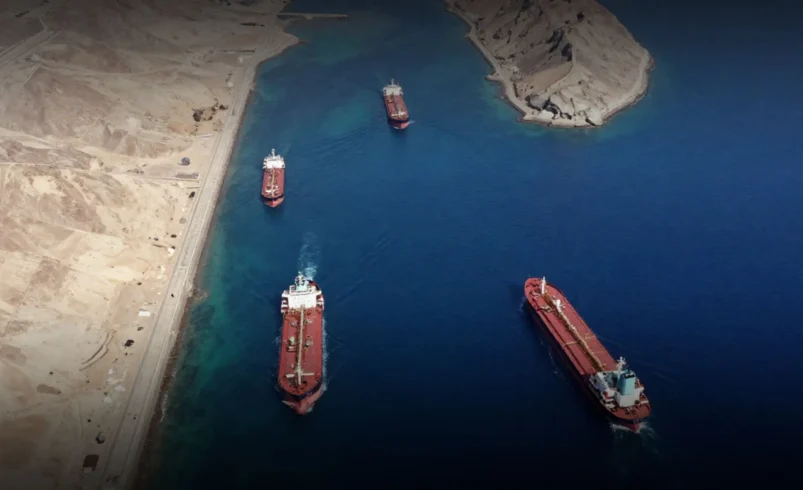

The Strait of Hormuz remains one of the most critical chokepoints in global energy trade. For a country like India, which depends heavily on imported oil and gas, disruptions in this route can quickly affect domestic industries.
While the government is taking steps to increase domestic LPG production and prioritize household consumption, sectors such as hospitality, food processing, fertilisers, steel manufacturing, petrochemicals, and small industries could face significant challenges if supply disruptions continue.The situation highlights the importance of diversifying energy sources, strengthening strategic reserves, and expanding alternative fuel infrastructure to reduce dependency on vulnerable global supply routes.
Food Processing Industry
India’s food processing sector includes bakeries, snack manufacturers, dairy processing units, and packaged food factories. Many of these facilities use LPG for:
• industrial cooking
• drying and roasting processes
• heating equipment
Any disruption in LPG supply can slow down production cycles, increase operational costs, and affect delivery timelines for packaged food products.
Small and medium food processing units are particularly vulnerable because they often depend on commercial LPG cylinders rather than pipeline gas systems.
Hospitality and Restaurant Industry
The hospitality sector is one of the most immediately affected industries during an LPG shortage. Hotels, restaurants, street food vendors, and commercial kitchens rely heavily on commercial LPG cylinders for daily cooking operations.
Industry bodies have warned that prolonged shortages could lead to partial shutdowns or reduced menu offerings in restaurants. Many commercial kitchens lack alternatives such as piped natural gas or large electric cooking systems, making LPG their primary fuel source.
If the supply crisis persists, food prices may rise and smaller restaurants may struggle to operate.
Fertiliser Manufacturing Industry
The fertiliser sector is another industry heavily dependent on gas-based feedstock. Fertiliser plants require natural gas and LPG-related inputs to produce ammonia and urea, which are essential for agriculture.
Energy disruptions linked to the Strait of Hormuz could reduce gas supplies to fertiliser plants, potentially affecting production levels. Such shortages could have a cascading impact on the agricultural sector, which depends heavily on fertiliser availability.
Reduced fertiliser output could eventually lead to higher farming costs and lower agricultural productivity.
Steel and Metal Manufacturing
Heavy industries such as steel, stainless steel, and metal processing rely on industrial gases including propane, LPG, and natural gas for heating furnaces and manufacturing processes.
Recent reports indicate that some steel producers in India have already faced operational disruptions due to shortages of industrial gases linked to the Middle East crisis.
If gas supplies remain constrained, manufacturers may have to reduce production capacity or switch to more expensive fuel alternatives.
Petrochemical and Refining Industry
Petrochemical plants and refineries use LPG both as a feedstock and as an energy source in various refining processes.
Under emergency supply management systems, governments often prioritize household LPG consumption. This means industrial users, including refineries and petrochemical plants, may receive reduced allocations of gas supplies during shortages.
Reduced feedstock availability could disrupt the production of chemicals, plastics, and synthetic materials.
City Gas Distribution and Transportation
City gas distribution companies supply compressed natural gas and piped gas to households, industries, and vehicles. If LNG and LPG imports fall, gas distribution networks may face supply pressure.
This could affect:
• CNG supply for transportation fleets
• piped gas for commercial establishments
• small industrial consumers
Such disruptions can increase fuel costs for logistics and transportation companies.
Small Manufacturing Units
Many small and medium manufacturing units depend on LPG for heating, welding, metal cutting, and other industrial processes.
Examples include:
• ceramic and pottery units
• glass manufacturing
• textile dyeing units
• small engineering workshops
These businesses usually do not have access to alternative fuel systems, making them highly vulnerable to LPG shortages.
Wider Economic Implications
The impact of LPG supply disruptions extends beyond individual industries. A prolonged crisis could lead to:
• rising food prices due to higher cooking fuel costs
• increased production costs for manufacturers
• disruptions in supply chains
• higher inflation and energy costs across sectors
India consumes more than 31 million tonnes of LPG annually, and a significant portion of this demand is met through imports. Any interruption in global energy supply routes can therefore have widespread economic consequences.
Register on Pepagora to explore opportunities in various sectors