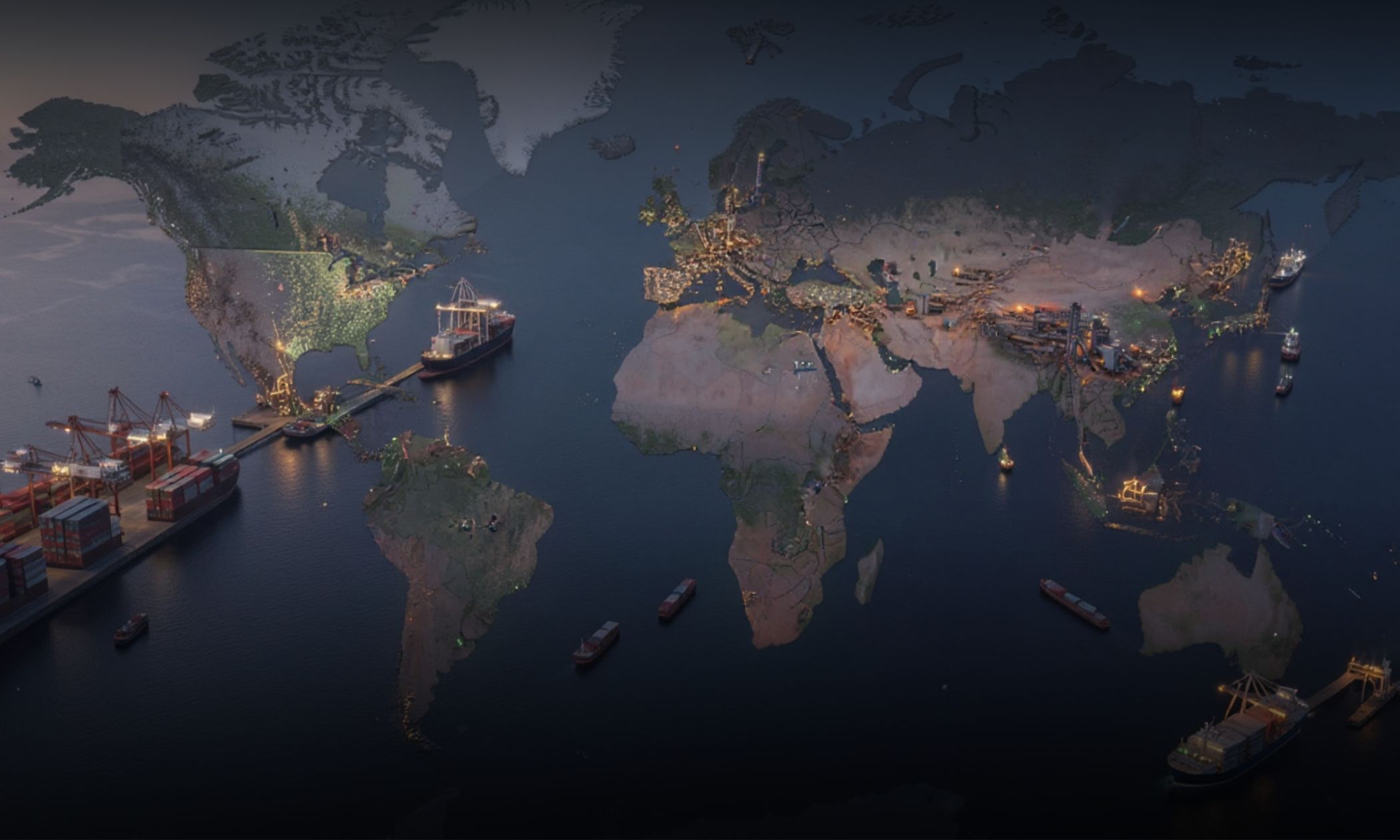
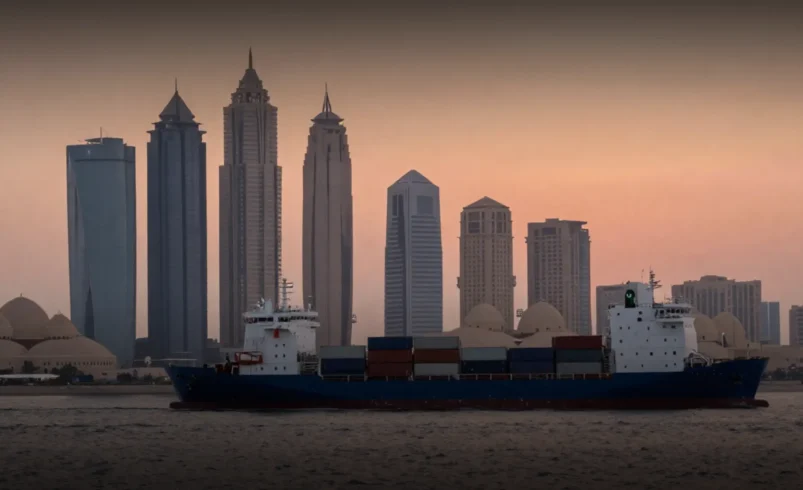

India’s small and medium exporters are witnessing a fresh wave of demand from Gulf countries, particularly in sectors like food products, construction materials, and light engineering. Even amid geopolitical uncertainty, the Middle East continues to remain one of India’s most critical trade corridors, creating both opportunities and operational challenges for SMEs.
Recent developments indicate that Gulf demand for Indian exports is not only holding steady but, in several categories, expanding due to supply chain shifts and regional diversification strategies.
Strong Trade Foundation Between India and the Gulf
India’s economic ties with the Gulf Cooperation Council (GCC) remain deep and structurally significant.
Key data highlights:
• India exported approximately $56.9 billion worth of goods to GCC countries in 2024–25
• Monthly exports to the region often exceed $5 billion
• The Gulf accounts for a major share of India’s energy-linked trade and logistics routes
Additionally, India’s overall exports reached $720+ billion in FY 2025–26, reflecting strong global trade positioning despite uncertainties .
This robust trade base is now translating into increased order flows for SMEs, especially in sectors where India offers cost and quality advantages.
What’s Driving the Surge in Gulf Demand
1. Infrastructure and Diversification Push in Gulf Economies
Countries like UAE and Saudi Arabia are actively diversifying beyond oil, investing heavily in:
• construction and infrastructure
• food security and imports
• manufacturing and industrial supply chains
This is creating demand for Indian:
• building materials
• processed foods
• engineering goods
2. Supply Chain Diversification
Global buyers in the Gulf are reducing dependence on single-country sourcing.
India is benefiting due to:
• competitive pricing
• diversified product base
• established trade relationships
This aligns with the broader global trend of multi-country sourcing.
3. Strong Indian Diaspora Influence
The presence of millions of Indians in the Gulf strengthens trade connections and consumption patterns, indirectly supporting SME exports .
SME Exporters at the Center of Growth
Unlike large corporations, SMEs are often more agile and able to respond quickly to changing demand patterns.
Key Sectors Seeing New Orders
• processed food and agri-products
• construction materials and raw inputs
• textiles and garments
• light engineering goods
For example, India’s apparel exports to Gulf markets alone reached $1.9 billion in 2024–25, showing steady growth .
Recent News Signals: Demand + Disruption
While demand remains strong, recent geopolitical developments are reshaping trade dynamics.
Export Support Measures Announced
The Indian government recently launched a ₹497 crore RELIEF scheme to support exporters dealing with rising logistics and insurance costs in the Gulf corridor .
This includes:
• financial support for MSME exporters
• enhanced export credit coverage
• logistics cost mitigation
Logistics Challenges Emerging
Exporters are facing:
• rerouting of shipments due to congestion
• increased freight costs
• delays in delivery schedules
Horticulture exporters, for instance, are diverting shipments to alternative ports to maintain supply chains .
Air Cargo Disruptions Impact SMEs
In some regions, export volumes have dropped significantly due to flight disruptions.
• A 37% drop in export cargo was recorded in one regional hub due to halted Gulf routes
This highlights the vulnerability of SME exporters to logistics disruptions.
Demand Continues Despite Global Tensions
Even amid uncertainty, export activity continues.
• Indian sugar exporters recently secured 100,000 tonnes of export deals in a week, driven by global demand
This reflects sustained international demand, including from nearby regions like the Middle East.
Risks and Pressure Points for Exporters
Despite rising demand, exporters must navigate several risks.
Trade Route Vulnerability
• Up to $4 billion worth of monthly exports could be impacted due to disruptions in Gulf shipping routes
Energy and Cost Pressures
• Oil price volatility and shipping disruptions are increasing logistics costs
• India imports a large share of energy through Gulf routes, increasing economic exposure
Market Volatility
Demand fluctuations in Gulf markets can impact:
• pricing
• order consistency
• payment cycles
What This Means for Indian SMEs
The current scenario presents a mixed landscape, strong demand combined with operational complexity.
Opportunities
• increased export orders from Gulf buyers
• diversification of product demand
• stronger long-term trade relationships
Challenges
• rising logistics costs
• supply chain disruptions
• need for faster execution and reliability
Strategic Actions for SME Exporters
To capitalize on rising India exports to Middle East, SMEs should focus on:
Strengthening Supply Chain Flexibility
• identify alternative shipping routes
• work with multiple logistics partners
Building Direct Buyer Relationships
• reduce dependency on intermediaries
• ensure consistent communication
Improving Digital Visibility
Buyers are increasingly searching online for suppliers.
Platforms like Pepagora help SMEs connect directly with global buyers and increase export visibility through verified B2B listings.
SMEs that position themselves effectively can benefit from:
• higher inbound inquiries
• better quality leads
• faster deal closures
Focusing on High-Demand Segments
Sectors with strong Gulf demand include:
• food and agri-products
• construction materials
• consumer goods
The Bigger Picture: A Strategic Trade Corridor
The India–Middle East trade corridor is not just transactional, it is strategic.
Initiatives like the India–Middle East–Europe Economic Corridor aim to further strengthen connectivity and trade flows, positioning the region as a long-term growth driver.
The rise in SME exports Gulf countries reflects a broader shift in global trade dynamics. Gulf economies are expanding, diversifying, and sourcing more actively from partners like India.
While geopolitical tensions have introduced short-term disruptions, the underlying demand remains strong.
For Indian SMEs, this is a critical window.
Those who can adapt to logistics challenges, build reliable partnerships, and strengthen their market presence will not only benefit from current demand but also secure long-term growth in one of India’s most important export markets.