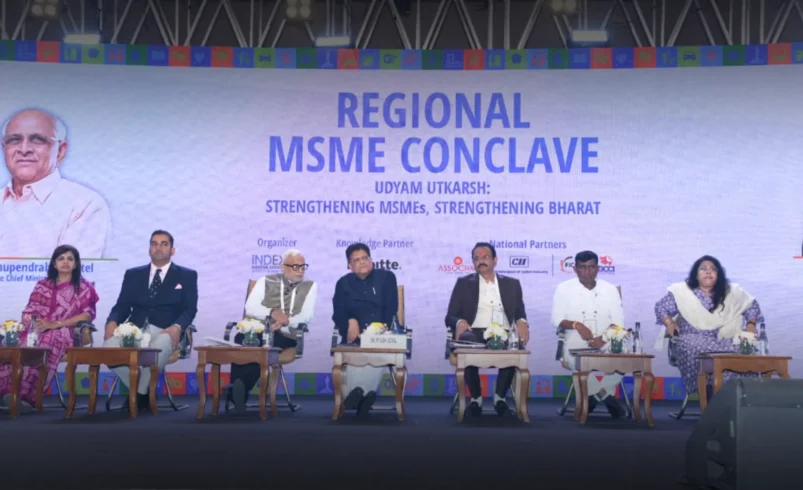

Across India’s business landscape, a noticeable shift is underway. MSME conclaves, trade expos, buyer-seller meets, and sector-specific exhibitions are multiplying in scale and frequency. For years, small and medium enterprises struggled with limited visibility, fragmented networks, and restricted access to serious buyers.
In 2026, that narrative appears to be changing as structured platforms begin to connect MSMEs with domestic and global opportunities.
Industry observers believe these events are no longer symbolic gatherings. They are evolving into deal-making ecosystems where partnerships are initiated, exports are negotiated, and funding conversations take shape—clearly reflecting the shift toward digital sourcing and trade ecosystems.
A Surge in MSME-Focused Events
The number of MSME conclaves and trade shows has increased significantly over the past few years.
Key trends indicate:
• More than 1,500 MSME-focused exhibitions and buyer-seller meets are being organized annually across India
• Participation from international buyers has increased by over 20 percent in major trade events
• Sector-specific expos are growing faster than general trade fairs
• Digital and hybrid formats are expanding reach beyond physical venues
This surge reflects a growing recognition of MSMEs as critical contributors to India’s economic growth.
Why These Platforms Matter More Than Ever
For many SMEs, access to markets remains the biggest challenge. Traditional marketing channels often require high budgets and long timelines.
Trade shows and conclaves offer immediate advantages:
• Direct interaction with buyers and distributors
• Opportunities to showcase products and capabilities
• Faster deal closures compared to cold outreach
• Real-time market feedback
• Networking with industry peers and experts
These platforms compress months of business development into a few days of engagement, especially when combined with a Global B2B Marketplace that extends visibility beyond physical events.
From Visibility to Business Conversion
Earlier, participation in trade fairs was often seen as a branding exercise. Today, the focus has shifted toward tangible business outcomes.
Recent data suggests:
• Nearly 60 percent of participating SMEs report generating qualified leads during events
• Around 35 to 40 percent convert these leads into actual business within six months
• Export-oriented expos show even higher conversion rates
• According to ThePrint, at PlastiWorld 2026—an export-focused MSME trade expo organized by AIPMA and FIEO—over 210 international buyers from 47 countries participated, resulting in 800+ MoUs and ₹60 crore in business generation
This shift is encouraging more SMEs to invest in structured participation.
Government Push Strengthening the Ecosystem
The government is actively supporting MSME participation in trade shows and conclaves.
Key initiatives include:
• Financial assistance for exhibition participation
• Subsidies for international trade fair exposure
• Support for sector-specific clusters
• Collaboration with industry bodies for event organization
These efforts aim to reduce cost barriers and increase access for smaller businesses.
Rise of Sector-Specific Trade Platforms
One of the most notable developments is the growth of specialized trade shows focused on specific industries.
Examples include:
• Engineering and manufacturing expos
• Food processing and agriculture fairs
• Textile and handicraft exhibitions
• Technology and digital solution summits
These targeted platforms attract relevant buyers, improving the quality of interactions and deal potential.
Digital Transformation of Trade Shows
Technology is reshaping how trade events are conducted.
Key innovations include:
• Virtual exhibition platforms
• AI-based matchmaking between buyers and sellers
• Digital catalogs and product showcases
• Online meeting scheduling
Hybrid events combining physical and digital participation are enabling SMEs to reach a wider audience without significantly increasing costs, reinforcing the shift toward digital sourcing and trade ecosystems.
Challenges MSMEs Still Face
Despite the growing opportunities, several challenges remain.
Common issues include:
• High participation costs for premium events
• Limited preparation and presentation skills
• Difficulty in follow-up and lead conversion
• Lack of understanding of international buyer expectations
Experts note that participation alone is not enough. Strategic planning and execution are essential to maximize returns.
The Cost Factor: Investment vs Return
Participating in trade shows involves costs such as booth setup, travel, logistics, and marketing materials.
Typical expenses include:
• Stall rental and design costs
• Transportation of products
• Accommodation and travel
• Promotional materials
However, many SMEs are beginning to view these costs as investments rather than expenses, especially when events generate high-quality leads and partnerships.
Export Opportunities Through Global Exposure
International trade shows are opening new doors for Indian SMEs.
Benefits include:
• Direct access to global buyers
• Understanding of international market trends
• Opportunities for long-term export contracts
• Enhanced brand credibility
With exports becoming a key growth driver, these platforms are playing a critical role in global expansion.
Industry Perspective: A Shift Toward Structured Market Access
Experts believe that MSME conclaves and trade shows are gradually addressing one of the biggest gaps in the SME ecosystem—structured market access.
Key observations include:
• Increased collaboration between government and industry bodies
• Better organization and professional management of events
• Growing participation from global stakeholders
• Improved focus on business outcomes
This indicates a shift from fragmented opportunities to more organized and scalable platforms.
What SMEs Should Do to Maximize Impact
To fully benefit from these platforms, SMEs need a strategic approach.
Recommended steps include:
• Selecting events aligned with target markets
• Preparing professional product presentations
• Training teams for effective communication
• Planning follow-up strategies in advance
• Leveraging digital tools for lead management
Preparation often determines whether participation translates into actual business.
Future Outlook: A Growing Opportunity
The role of trade shows and conclaves is expected to expand further.
Key projections suggest:
• Increased number of international buyer delegations
• Greater integration of digital technologies
• Expansion of sector-specific exhibitions
• Stronger focus on exports and global partnerships
These developments could significantly enhance the growth trajectory of Indian SMEs.
MSME conclaves and trade shows are emerging as powerful platforms that bridge the gap between small businesses and large market opportunities. While challenges remain, the ecosystem is clearly evolving in the right direction.
For Indian SMEs, the opportunity is real but requires preparation, investment, and strategic participation. Those who leverage these platforms effectively can accelerate growth, expand into new markets, and build lasting business relationships.
The question is no longer whether these platforms are useful. The real question is how effectively SMEs can use them to transform visibility into sustainable business growth.