

In an increasingly interconnected global economy, small and medium enterprises are no longer just local operations; they are the backbones of national growth. Recognizing this, a major economic alliance recently convened to discuss how member nations can pool resources, share knowledge, and build a more resilient foundation for smaller businesses.
The core message of the summit was clear: deeper international cooperation is essential to strengthen micro, small, and medium enterprises (MSMEs), support vulnerable economic sections, and drive inclusive, long-term growth across all member territories.
Small Businesses as Economic Engines
The scale of the small business sector cannot be understated. Taking the host nation as a primary example, there are currently around 8.5 crore (85 million) operational small business units. Together, these enterprises provide livelihood and employment to nearly 40 crore (400 million) people, proving that small businesses are the ultimate drivers of grassroots development, regional employment, and entrepreneurship.
Because these enterprises are so critical to local stability, representatives at the forum emphasized that their challenges cannot be solved in isolation. Navigating the modern market requires collective action to shape a future-ready ecosystem.
Key Pillars for Global Cooperation
The deliberations focused on several critical areas where international partnership can unlock the next phase of economic growth. Rather than just focusing on simple trade, the alliance outlined a multi-faceted approach to empower small businesses:
- Affordable Finance: Securing reliable, low-cost funding remains one of the largest hurdles for growing businesses. Member nations discussed frameworks to improve credit access.
- Technology Access and Digital Transformation: Bridging the digital divide is a top priority. The forum highlighted the need to help smaller businesses adopt modern digital tools, improve their technological readiness, and embrace artificial intelligence to remain competitive.
- Workforce Readiness: Technology is only useful if people know how to use it. The nations stressed the importance of joint skilling initiatives to build an industry-ready workforce capable of handling advanced manufacturing and digital tools.
- Sustainable Manufacturing: As global standards shift toward green energy and eco-friendly practices, small businesses need affordable, sustainable roots to ensure they aren’t left behind in environmental transitions.
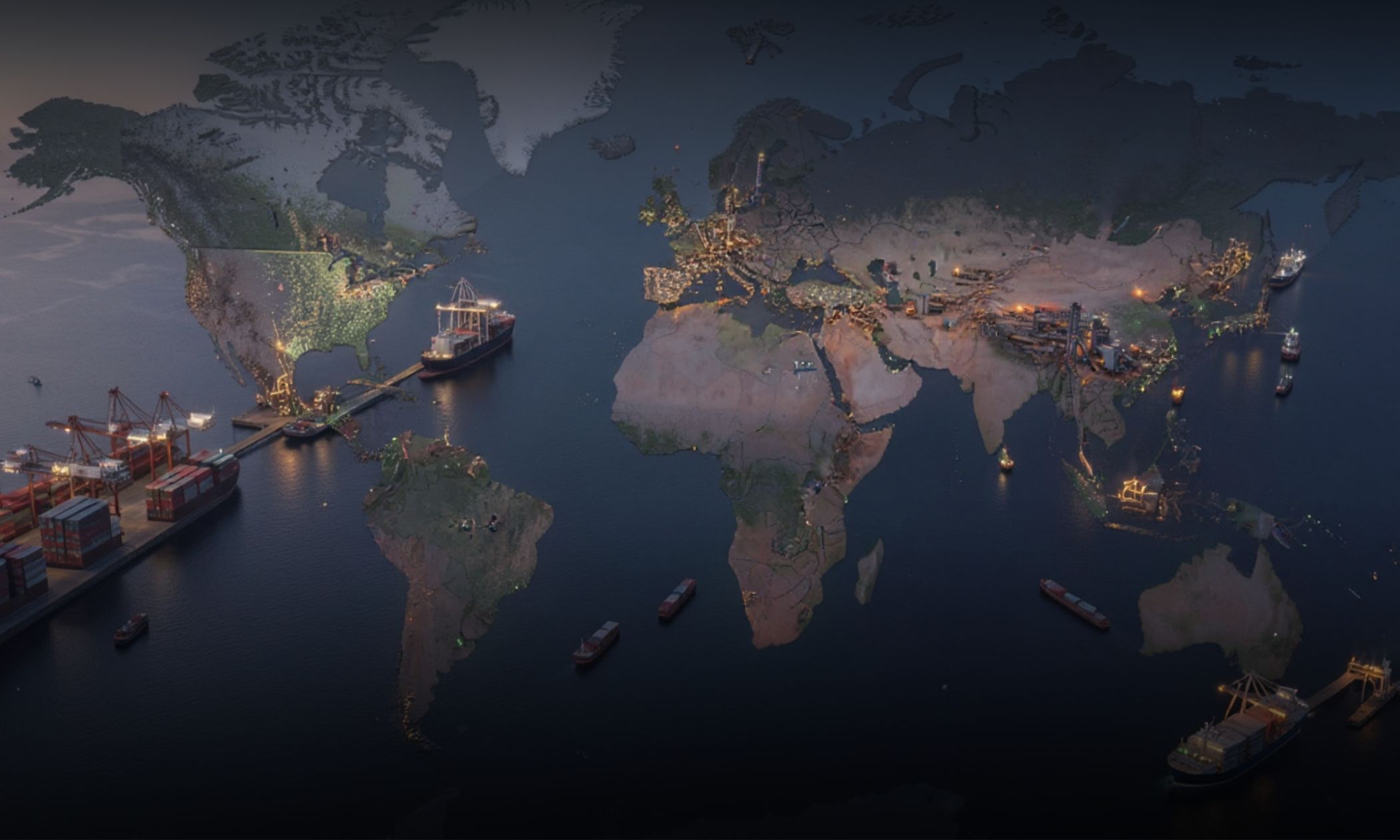
- Global Value Chains: A major goal of the alliance is to help local, small-scale enterprises graduate to “global routes,” seamlessly integrating them into international supply chains and boosting export capabilities.
Overcoming Shared Challenges
Whether a business is operating in Asia, South America, or Africa, small entrepreneurs face remarkably similar hurdles. By establishing consistent dialogue and policy coordination, member countries aim to share best practices and successful case studies.
The ultimate goal of this expanded alliance is to move past treating small businesses merely as minor economic units. Instead, the focus is on building a robust, highly connected global framework that actively protects supply chains, fosters innovation ecosystems, and ensures that economic growth benefits everyone from rural artisans to high-tech startups.