
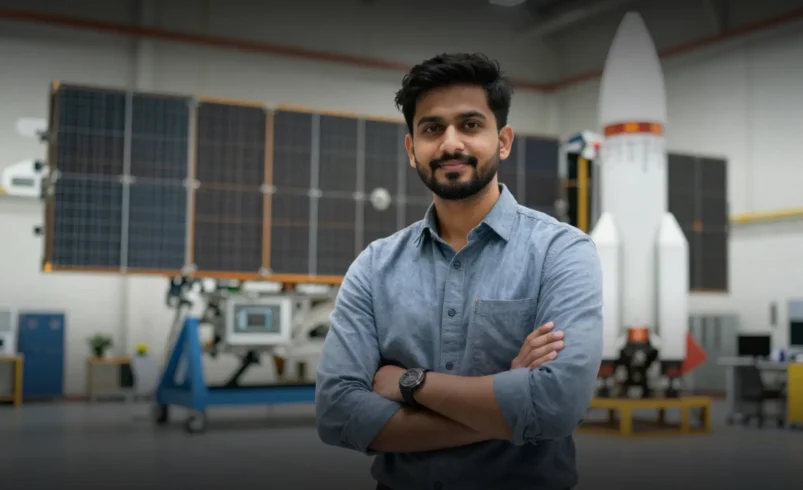

Indian small and medium enterprises are quietly undergoing a transformation that is reshaping their global perception. Once seen largely as low-cost suppliers, many SMEs are now entering high-precision sectors such as defence and space, positioning themselves as credible global partners.
Driven by policy reforms, rising domestic demand, and global supply chain shifts, Indian SMEs are increasingly supplying components, subsystems, and specialized services to international defence contractors and space agencies. This shift is not just about growth. It is about trust, capability, and long-term positioning in some of the most demanding industries.
A Structural Shift in India’s Manufacturing Landscape
The defence and space sectors were traditionally dominated by large public sector enterprises and global corporations. However, the landscape is changing rapidly.
Recent data highlights the momentum:
Over 12,000 MSMEs are now actively engaged in defence manufacturing supply chains in India
Defence production in India crossed ₹1.25 lakh crore recently, with a growing share coming from private players
According to the Press Information Bureau release, defence exports have surged past ₹21,000 crore, with SMEs contributing a significant portion.
The space economy is projected to grow to $40 billion by 2030, opening new opportunities for smaller manufacturers
This shift is being powered by a combination of government push and industry readiness.
Policy Push Opening Doors for SMEs
Government initiatives have played a central role in integrating SMEs into defence and space ecosystems.
Key policy drivers include:
Increased FDI limits in defence manufacturing, encouraging global partnerships
Simplification of licensing procedures for private players
Dedicated procurement quotas for MSMEs in defence contracts
Launch of innovation programs to support indigenous technology development
In the space sector, regulatory reforms have allowed private companies and SMEs to participate in satellite manufacturing, launch services, and downstream applications.
Global Supply Chain Realignment Benefits India
Geopolitical tensions and supply chain disruptions have pushed global companies to diversify sourcing away from traditional hubs. India has emerged as a preferred alternative.
For SMEs, this shift translates into:
Increased opportunities to become part of global vendor networks
Long-term contracts with international defence and aerospace firms
Demand for high-precision engineering and specialized manufacturing
Global buyers are no longer looking only for cost advantages. They are seeking reliability, compliance, and technical capability, areas where Indian SMEs are improving rapidly. Businesses leveraging a Global B2B Marketplace are increasingly able to connect with such international buyers more efficiently while showcasing their capabilities.
What SMEs Are Supplying Today
Indian SMEs are no longer limited to basic components. Their role has expanded significantly.
Key areas of participation include:
Precision machined components for defence equipment
Electronic systems and subassemblies
Aerospace-grade materials and parts
Satellite components and ground support systems
Testing, calibration, and maintenance services
Many SMEs are also contributing to indigenous defence programs, which further strengthens their credibility in global markets.
Quality and Certification Becoming Non-Negotiable
Entering defence and space supply chains requires adherence to stringent quality standards.
SMEs are increasingly investing in:
International certifications such as AS9100 for aerospace
Advanced testing and quality assurance systems
Process standardization and documentation
Traceability and compliance frameworks
This shift toward quality-driven manufacturing is one of the biggest factors enhancing global trust in Indian SMEs.
Technology Adoption Driving Capability
To meet the demands of defence and space sectors, SMEs are upgrading their technological capabilities.
Common investments include:
CNC and precision machining systems
Automation and robotics in manufacturing
Advanced materials processing
Digital design and simulation tools
Technology adoption is enabling SMEs to deliver high-precision products that meet global standards.
Financial and Operational Challenges Still Exist
Despite the growth, SMEs face several challenges in scaling their presence in these sectors.
Key issues include:
High capital investment required for advanced machinery
Long gestation periods for defence contracts
Complex compliance and certification processes
Delayed payments in certain cases
Working capital constraints remain a concern, especially for smaller players entering high-value contracts.
Collaboration is Becoming the New Growth Model
To overcome these challenges, SMEs are increasingly collaborating with larger firms, research institutions, and global partners.
Collaboration models include:
Joint ventures with international companies
Partnerships with defence PSUs
Participation in industry clusters and manufacturing hubs
Engagement with technology incubators and innovation programs
These collaborations help SMEs access technology, funding, and global markets more effectively.
Space Sector Opening New Frontiers
The liberalization of the space sector has created entirely new opportunities for SMEs.
Emerging areas include:
Small satellite manufacturing
Launch vehicle components
Space-grade electronics
Data and analytics services based on satellite outputs
With private participation increasing, SMEs are finding new avenues for growth beyond traditional manufacturing.
Export Opportunities Expanding Rapidly
Defence and aerospace exports from India are growing steadily, creating new opportunities for SMEs.
Advantages for exporters include:
Strong demand for cost-effective yet high-quality components
Government support for export promotion
Increasing global acceptance of Indian manufacturing standards
SMEs that establish themselves in export markets gain long-term contracts and higher margins. This aligns closely with the broader trend of export growth through B2B platforms, where digital ecosystems are accelerating global reach.
What This Means for SME Owners
The entry of SMEs into defence and space sectors signals a major shift in the business landscape.
Key implications include:
Opportunity to move up the value chain
Access to high-margin and long-term contracts
Enhanced brand credibility in global markets
Need for higher investment in quality and technology
However, success in these sectors requires a disciplined and long-term approach.
What SMEs Should Do to Enter These Sectors
For businesses looking to tap into defence and space opportunities, preparation is critical.
Action steps include:
Invest in quality certifications and compliance systems
Upgrade manufacturing capabilities and technology
Build relationships with large contractors and government agencies
Participate in industry events and vendor development programs
Strengthen financial planning to manage long project cycles
Entering these sectors is not quick, but the rewards are substantial for those who succeed.
Industry Outlook: A Long-Term Growth Opportunity
Experts believe that the role of SMEs in defence and space will continue to grow over the next decade.
Key growth drivers include:
Increasing focus on self-reliance in defence manufacturing
Expansion of private participation in space activities
Rising global demand for diversified supply chains
Continued policy support for MSMEs
As these trends strengthen, SMEs are expected to become integral to India’s position as a global manufacturing hub.
The emergence of Indian SMEs as global suppliers in defence and space sectors is a story of transformation, capability, and ambition. It reflects a shift from cost-driven manufacturing to value-driven, high-precision production.
For SME owners, this is more than an opportunity. It is a chance to redefine their business identity on the global stage.
Those who invest in quality, technology, and long-term partnerships will not only enter these sectors but thrive in them, building credibility that goes far beyond traditional markets.