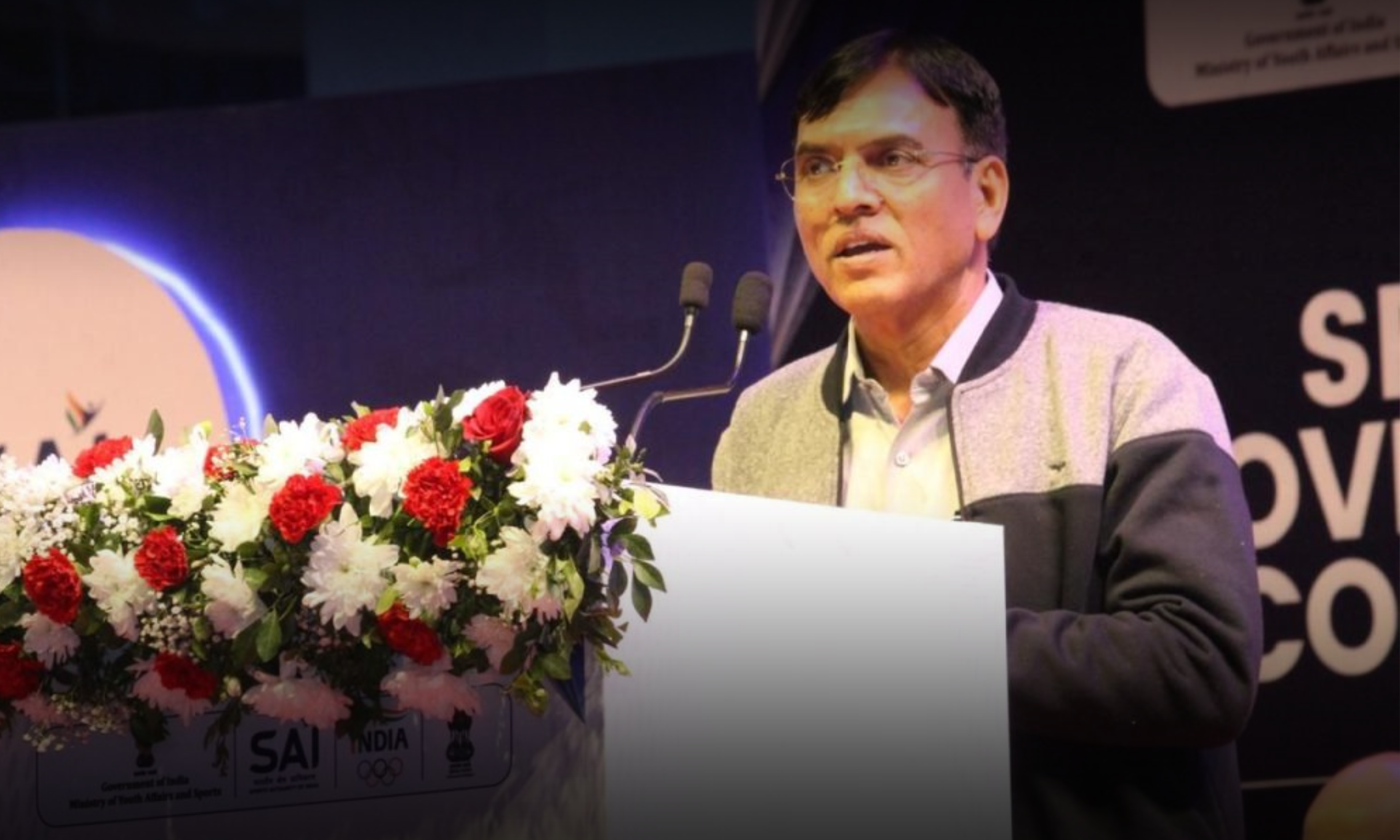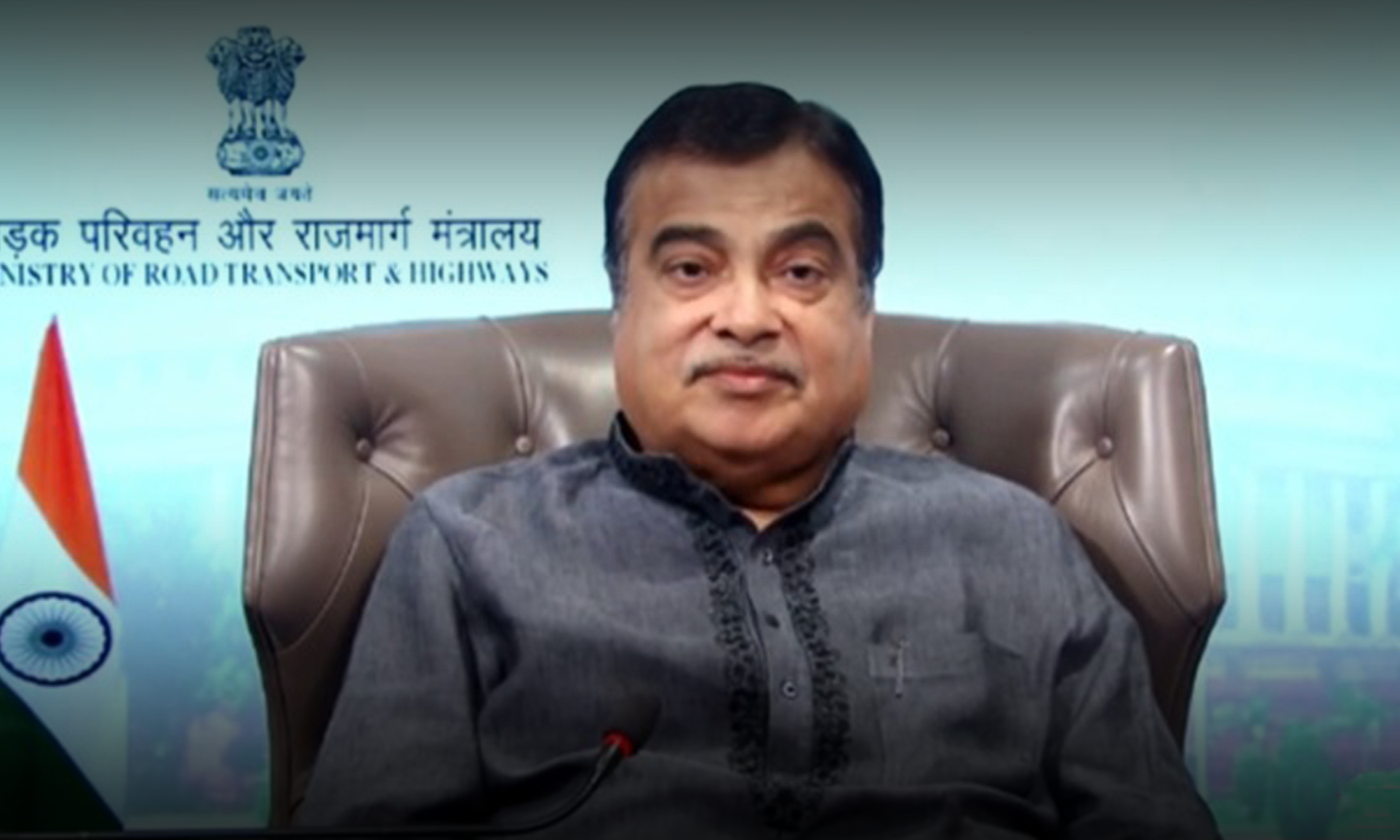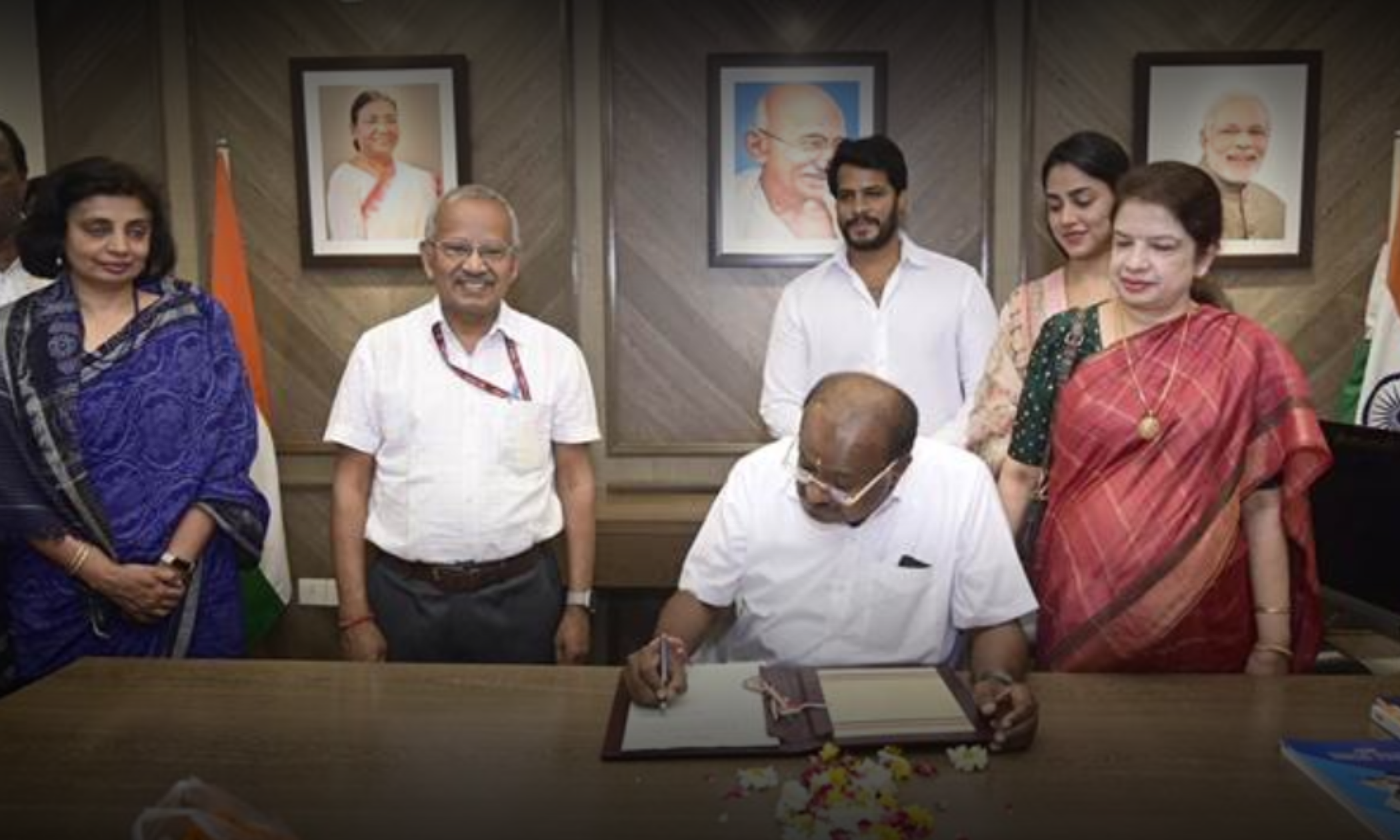


India has made its intent unmistakable in the Union Budget 2026–27. The ambition is not incremental growth but global positioning. The government has set a long-term objective to capture 10% of global services exports by 2047, signalling a structural pivot toward services-led expansion. Ashwini Vaishnaw, Minister of Electronics and Information Technology, has been at the forefront of aligning India’s digital infrastructure and hardware manufacturing capabilities to support this ambitious services-led growth agenda.
At first glance, the announcement appears tailored for IT services companies and software majors. Yet beneath the headline lies a deeper industrial implication. Every services-driven economy rests on physical digital infrastructure. Servers, networking systems, enterprise printers, POS devices, scanners, and intelligent office systems form the backbone of digital delivery. If India succeeds in expanding services exports, hardware demand will expand in parallel.
Services as the Primary Growth Engine
The proposal to establish a High-Powered Education-to-Empowerment and Enterprise Standing Committee reflects a coordinated push to strengthen India’s services ecosystem. The objective is to build sustained competitiveness in digital and professional services rather than short-term output spikes.
An expansion in services exports translates into more Global Capability Centres, expanded IT parks, larger cloud infrastructure, enterprise offices, and digital operations hubs. These facilities cannot operate on software alone. They require high-performance hardware systems capable of supporting scale, speed, and security.
The shift is structural. Services growth will not be episodic; it will be capacity-driven.
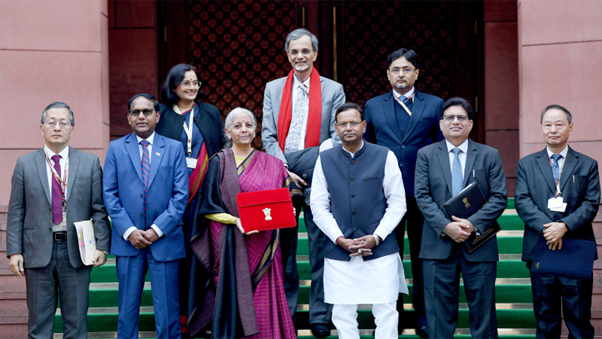
Tax Incentives and the Cloud Infrastructure Multiplier
The extension of tax holidays until 2047 for foreign companies operating global cloud services through India-based data centres is a decisive signal to multinational technology firms. It reduces policy uncertainty and positions India as a long-term operations base rather than a temporary outsourcing destination.
Lower risk attracts capital. Capital drives infrastructure creation. Infrastructure requires hardware. Each new data centre demands server racks, routers, networking systems, backup power infrastructure, storage devices, and enterprise hardware. Procurement volumes are not speculative; they are immediate and measurable.
If India secures a significant share of global services trade, the domestic requirement for enterprise-grade equipment will increase steadily. The strategic question is whether Indian manufacturers will capture that demand or continue to rely heavily on imports.
Manufacturing Reinforcement and Semiconductor Strategy
The expansion of the India Semiconductor Mission strengthens domestic chip production and electronics manufacturing capabilities. Hardware competitiveness depends fundamentally on component reliability and cost efficiency. Reducing import dependence is not only industrial strategy but also export strategy.
Parallel support for electronics components manufacturing and capital goods production reinforces the ecosystem required to produce printers, scanners, routers, POS systems, and office automation equipment at scale. Ashwini Vaishnaw, Minister of Electronics and Information Technology, has consistently prioritized building a resilient domestic electronics supply chain as a foundation for India’s global manufacturing credibility. A resilient domestic supply chain enhances margin control and global credibility.
The policy alignment suggests that India intends to export not just services, but also the infrastructure that powers those services.
MSMEs and the Liquidity Lever
The ₹10,000 crore SME Growth Fund, alongside strengthened credit guarantees, addresses a long-standing structural weakness. Hardware manufacturing is capital-intensive. Export orders stretch working capital cycles. Without liquidity stability, growth ambitions remain theoretical.
Mandatory adoption of the Trade Receivables Discounting System by CPSEs and integration of the Government e-Marketplace with TReDS aim to compress payment cycles and reduce receivables risk. Liquidity speed determines production scale. Production scale determines export capacity.
MSMEs form the backbone of India’s export ecosystem. Strengthening their financial resilience is therefore not peripheral policy; it is central to the services export ambition.
Logistics Modernisation and Export Efficiency
Export competitiveness depends as much on logistics as on manufacturing capability. Reforms enabling electronic cargo sealing, automated customs processing, and trusted supply-chain recognition reduce transaction delays and improve cost predictability.
The expansion of Dedicated Freight Corridors and logistics parks strengthens connectivity, particularly for manufacturers in emerging industrial clusters. Removing the ₹10 lakh cap on courier exports lowers entry barriers for smaller exporters and supports e-commerce-driven hardware shipments.
For hardware exporters, time efficiency directly impacts global competitiveness.
India as a Digital Operations Hub
India is positioning itself as a global digital backbone. As cloud capacity expands and Global Capability Centres multiply, enterprise hardware demand will become structural rather than cyclical. Data centres require continuous upgrades, AI-ready systems, and secure high-performance devices.
Services may dominate economic headlines, but hardware investment defines delivery capacity. The next phase of IT expansion will be driven by cloud infrastructure, enterprise digital transformation, and AI-integrated systems. Hardware will underpin all of it.
A Defining Moment for Office Equipment Manufacturers
Many office equipment manufacturers currently operate within local or regional markets. The evolving services ambition demands export-grade quality, compliance discipline, and enterprise-oriented strategy. The opportunity is significant, but it requires readiness.
India’s 10% global services target is more than a numerical milestone. It is a coordinated economic strategy linking services, manufacturing, logistics, and MSME finance. If executed effectively, IT hardware exports could rise as a natural consequence of services expansion.
Software may command the spotlight. Hardware will power the ecosystem.
The strategic question for Indian office equipment MSMEs is straightforward. Will they scale capabilities to supply the infrastructure of a rising services superpower, or will global competitors occupy that space?
The direction set by Budget 2026–27 is clear. Services will drive growth. Manufacturing will reinforce it. Logistics will accelerate it. MSMEs will enable it. The convergence of these pillars will determine whether India’s services ambition translates into sustained hardware export expansion.