
Indian small and medium enterprises are facing a dual challenge in 2026. Rising energy costs are squeezing margins, while global buyers and regulators are pushing for cleaner, more sustainable operations. In this environment, energy efficiency is no longer just an environmental concern. It is fast becoming a financial strategy that directly impacts profitability, competitiveness, and long-term survival.
Recent industry trends suggest that SMEs adopting energy-efficient practices are not only reducing costs but also improving operational stability and market positioning.
Rising Energy Costs Put Pressure on SME Margins
Energy expenses form a significant portion of operating costs for many SMEs, especially in manufacturing, food processing, textiles, and engineering sectors.
Key data highlights the situation:
• Energy costs can account for 15 to 30 percent of total operational expenses in manufacturing SMEs
• According to KPI Depot, energy costs as a percentage of total operating costs typically target below 5 percent for most industries, with benchmarks categorized as less than 3 percent (excellent), 3 to 5 percent (acceptable), and above 5 percent (needs review)
• Electricity tariffs have seen steady increases across several Indian states
• Fuel price volatility continues to impact logistics and production costs
• Power outages and inefficiencies further increase hidden costs
This has forced many SME owners to look for ways to optimize energy usage and reduce dependency on conventional sources.
Energy Efficiency as a Profit Lever
Energy efficiency is emerging as one of the most effective ways to improve margins without increasing prices.
Businesses that invest in efficient systems are seeing:
• Reduction in monthly electricity bills
• Lower maintenance and downtime costs
• Improved productivity due to stable operations
• Better utilization of resources
Studies indicate that SMEs can reduce energy consumption by 10 to 25 percent through basic efficiency measures alone.
Key Areas Where SMEs Can Improve Energy Efficiency
Experts suggest focusing on high-impact areas where energy savings can be achieved quickly.
Machinery and Equipment Upgrades
Old and inefficient machines consume more power and require frequent maintenance.
Upgrading to energy-efficient machinery can:
• Reduce power consumption significantly
• Improve production speed and output
• Lower maintenance costs
Lighting and Infrastructure
Switching to LED lighting and optimizing facility design can deliver immediate savings.
Benefits include:
• Lower electricity usage
• Longer lifespan of lighting systems
• Reduced heat generation
Process Optimization
Streamlining production processes helps eliminate energy waste.
SMEs can:
• Reduce idle machine time
• Optimize workflow
• Improve scheduling of operations
Renewable Energy Adoption
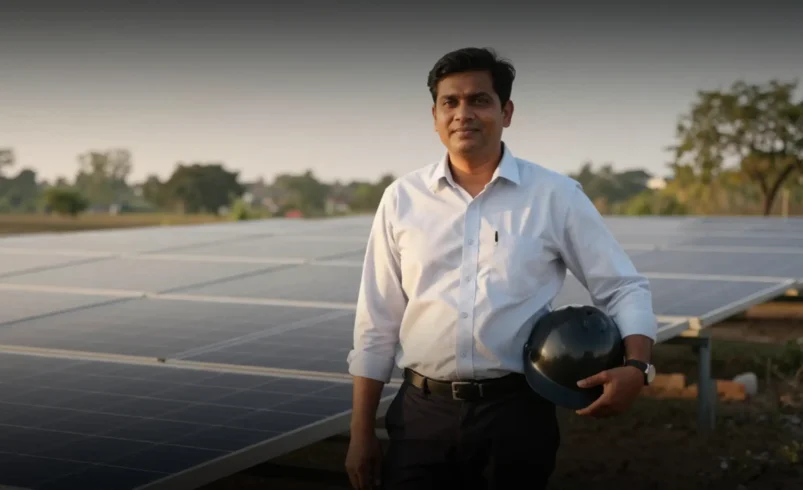
Solar energy is becoming increasingly popular among SMEs.
Advantages include:
• Reduced dependence on grid electricity
• Lower long-term energy costs
• Protection against tariff fluctuations
Government Support for Energy Efficiency
The government is actively promoting energy efficiency among SMEs through various initiatives.
Key support measures include:
• Subsidies for energy-efficient equipment
• Financial incentives for renewable energy adoption
• Energy audit programs for SMEs
• Low-interest loans for green projects
These initiatives are designed to reduce the financial burden of transitioning to efficient systems.
Access to Green Finance
Financial institutions are expanding support for sustainable projects.
New developments include:
• Dedicated green loans for SMEs
• Easier access to financing through digital platforms
• Lower interest rates for energy-efficient investments
• Increased availability of ESG-linked funding
This is making it easier for SMEs to invest in energy-saving technologies.
Impact on Competitiveness and Market Access
Energy efficiency is increasingly linked to market competitiveness.
SMEs that adopt green practices benefit from:
• Better acceptance in export markets
• Stronger relationships with environmentally conscious buyers
• Enhanced brand reputation
• Compliance with global sustainability standards
Businesses aiming to expand globally can also leverage Global B2B Marketplace to connect with buyers who prioritize sustainable sourcing.
In contrast, businesses that fail to adapt may face challenges in securing contracts and partnerships.
Challenges in Adopting Energy Efficiency
Despite clear benefits, SMEs face several obstacles.
Common challenges include:
• High initial investment costs
• Limited awareness of available technologies
• Lack of technical expertise
• Uncertainty about return on investment
However, industry experts emphasize that many efficiency measures have relatively short payback periods.
Real Impact: Cost Savings and Profit Growth
The financial impact of energy efficiency can be substantial.
Typical outcomes include:
• Payback periods ranging from 2 to 5 years for major investments
• Immediate savings from low-cost measures such as lighting upgrades
• Long-term reduction in operational expenses
• Improved profit margins without increasing prices
These results make energy efficiency one of the most practical strategies for SME growth.
Sector-Wise Adoption Trends
Different sectors are adopting energy efficiency at varying levels.
Key observations include:
• Manufacturing SMEs are investing in efficient machinery and automation
• Food processing units are focusing on refrigeration and energy management
• Textile businesses are adopting cleaner production technologies
• Engineering units are optimizing energy-intensive processes
This indicates a broad shift toward efficiency across industries.
What SMEs Should Do Now
Experts recommend a structured approach to energy efficiency.
Immediate steps include:
• Conducting an energy audit to identify inefficiencies
• Prioritizing high-impact, low-cost improvements
• Exploring government schemes and incentives
• Investing in energy-efficient equipment gradually
• Training staff on energy management practices
A phased approach helps manage costs while delivering measurable results.
Industry Outlook: A Strategic Shift Toward Sustainability
Energy efficiency is expected to become a standard business practice in the coming years.
Key trends include:
• Increased adoption of renewable energy by SMEs
• Integration of energy management systems
• Stronger regulatory focus on sustainability
• Growing demand from global buyers for green suppliers
For exporters, aligning sustainability with market expansion—especially by applying strategies to attract buyers in the Middle East—can significantly enhance competitiveness.
This shift is likely to redefine how SMEs operate and compete.
Energy efficiency is no longer just about reducing environmental impact. For Indian SMEs, it is a powerful tool to improve profit margins, enhance competitiveness, and ensure long-term sustainability.
With rising energy costs and increasing market pressure, the businesses that invest in efficiency today will be better positioned to navigate future challenges and seize new opportunities.
For SME owners, the message is clear. Going green is not just good for the environment. It is good for business.

About Author
Harsha Varthan
Harsha is a highly respected B2B marketing expert who passionately helps sellers and buyers connect, grow their businesses online, and build strong global visibility. His expertise spans SEO, content marketing, lead generation, marketplace strategy, public relations, and result-driven digital growth planning, making him a trusted voice in the industry.