

In recent years, the way businesses connect, trade, and expand globally has undergone a major shift. For small and medium enterprises, especially in countries like India, exporting was once a complex, resource-heavy process. It required physical presence, international travel, trade fairs, and deep networks.
Today, that barrier is steadily dissolving.
Digital transformation has introduced a new pathway. Digital B2B platforms like Pepagora are now enabling SMEs to access global markets, connect with verified buyers, and build export pipelines without the traditional friction. What was once limited to large enterprises is now increasingly accessible to mid-sized and small businesses.
The Changing Nature of Global Trade
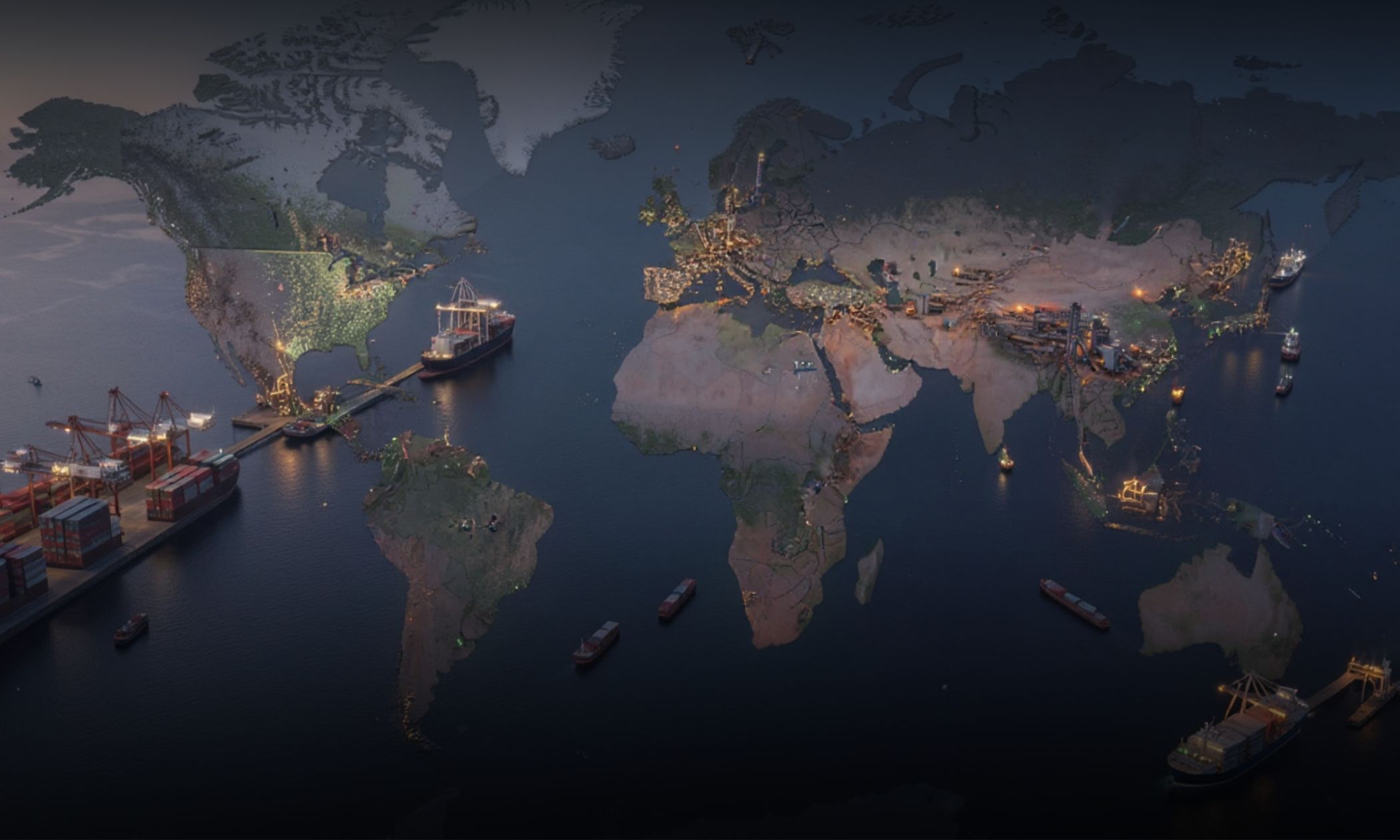
Global trade is no longer confined to large corporations with international offices. Buyers today are actively searching online for suppliers, comparing options across countries, and making sourcing decisions based on digital visibility and credibility.
Several shifts have contributed to this change:
• Buyers prefer faster supplier discovery
• Procurement processes are becoming digital-first
• Global sourcing is no longer dependent on intermediaries
• Trust and verification have become key decision factors
This has created a level playing field where SMEs can compete alongside larger players, provided they are visible and credible in the digital ecosystem.
The Export Challenge for SMEs
Despite having strong manufacturing capabilities, many SMEs face common export challenges:
• Limited access to international buyers
• Lack of visibility in global markets
• High cost of participating in trade fairs
• Difficulty in building trust with unknown buyers
• Fragmented communication and negotiation processes
These challenges often prevent capable businesses from scaling beyond domestic markets.
How Digital B2B Platforms Are Changing the Game
Digital B2B platforms are addressing these gaps by creating structured environments where buyers and suppliers can discover, evaluate, and connect with each other efficiently.
1. Global Visibility Without Physical Presence
SMEs can showcase their products and capabilities to international buyers without setting up offices abroad.
Buyers searching for suppliers often use queries like:
• manufacturers India
• exporters India
• B2B suppliers India
• industrial product suppliers India
A strong presence on digital platforms ensures that businesses appear in these searches.
2. Faster Buyer-Supplier Discovery
Instead of relying on referrals or intermediaries, businesses can directly connect with buyers who are actively looking for products.
This reduces the time taken to identify potential clients and initiate conversations.
3. Structured Inquiry and Quotation Systems
One of the biggest inefficiencies in traditional trade is fragmented communication.
Digital platforms streamline this through:
• centralized inquiry systems
• structured product listings
• easier comparison of quotes
• documented communication
This makes the entire sourcing process more transparent and efficient.
4. Trust and Verification Mechanisms
Trust has always been a major concern in global trade. Buyers hesitate to engage with unknown suppliers, while suppliers worry about unreliable buyers.
Modern B2B platforms are increasingly focusing on:
• business verification
• detailed company profiles
• product authenticity indicators
• transparent communication trails
These elements help reduce uncertainty and build confidence between parties.
5. Cost-Effective Export Enablement
Traditional export expansion required significant investment in travel, exhibitions, and intermediaries.
Digital platforms significantly reduce these costs by:
• eliminating the need for frequent travel
• reducing marketing expenses
• enabling direct buyer engagement
• allowing scalable outreach
For SMEs, this makes export growth far more achievable.
Data and Market Trends Supporting Digital Growth
The rise of digital B2B platforms is not just a trend, it is backed by strong market data.
• Global B2B e-commerce is expected to exceed USD 20 trillion in value
• Over 70 percent of B2B buyers now prefer digital interactions during procurement
• A large share of SMEs report increased inquiries after improving digital presence
• India’s exports have crossed USD 700 billion (goods and services combined), with SMEs contributing a significant portion
These numbers highlight the increasing importance of digital channels in driving export growth.
Sectors Seeing Strong Impact
The influence of digital B2B platforms is visible across multiple industries.
Manufacturing and Industrial Products
Engineering goods, machinery, and components are increasingly sourced through digital platforms.
Construction and Raw Materials
Buyers are searching online for bulk sourcing of materials and equipment.
Textiles and Apparel
Exporters are using digital platforms to reach global fashion and retail buyers.
Chemicals and Pharmaceuticals
International buyers rely on digital discovery for sourcing compliant suppliers.
Consumer Goods and FMCG
Small brands are expanding globally through digital visibility.
What SMEs Must Do to Leverage This Opportunity
While digital platforms provide access, success depends on how effectively businesses use them.
Build a Strong Digital Profile
A complete and well-structured profile helps buyers understand your business quickly.
Include:
• product details
• certifications
• manufacturing capabilities
• clear contact information
Maintain Consistent Product Listings
Detailed and accurate product catalogs improve visibility and credibility.
Respond Quickly to Inquiries
Timely communication plays a crucial role in converting inquiries into business opportunities.
Focus on Trust Signals
Buyers look for signs of reliability such as:
• verified profiles
• clear documentation
• professional communication
Think Long-Term, Not Transactional
Export growth comes from building relationships, not just closing deals.
The Quiet Shift Toward Smarter Trade
What’s interesting is that this transformation is happening quietly. There is no single moment of change, but a steady shift in how businesses operate.
More SMEs are moving from:
• local networks to global visibility
• manual processes to structured systems
• uncertain connections to verified interactions
And in this shift, platforms that focus on clarity, trust, and meaningful connections are becoming central to how trade happens.
The Road Ahead
The future of SME exports will be shaped by how well businesses adapt to digital ecosystems. The opportunity is no longer limited by geography, but by visibility and readiness.
For Indian SMEs, this is a defining moment.
Those who invest in digital presence, build credible profiles, and engage actively with buyers will find themselves part of a much larger global marketplace.
Conclusion
Digital B2B platforms like Pepagora are not just tools, they are enablers of a new trade environment. They are reducing friction, improving transparency, and making global markets accessible to businesses that were previously limited by scale and resources.
For SMEs, the shift is clear. Export growth is no longer dependent on size, it depends on how effectively a business positions itself in the digital world.
And in this evolving landscape, the businesses that focus on visibility, trust, and structured engagement will be the ones that grow beyond borders.