
India’s push toward sustainability is entering a decisive phase, and small and medium enterprises are at the center of this transition. With stricter environmental norms, rising energy costs, and growing demand from global buyers for sustainable sourcing, MSMEs are being nudged to adopt greener practices.
The shift is no longer limited to large corporations. For smaller businesses, going green is quickly becoming both a compliance requirement and a competitive advantage.
Industry experts say the next two to three years will determine how effectively MSMEs adapt to this change, balancing upfront costs with long-term gains.
Why the Green Transition Is Gaining Urgency
Several factors are accelerating the move toward sustainability across the MSME sector.
Key drivers include:
• Increasing global pressure for low-carbon supply chains
• Rising electricity and fuel costs impacting margins
• Stricter environmental compliance norms in India
• Export market requirements for sustainable products
• Investor preference for environmentally responsible businesses
According to the Economic Times, 31% of Indian MSMEs have adopted energy-efficient machinery, while 21% now use solar energy. These figures indicate a strong shift toward sustainable practices in the sector.
Understanding the Cost of Going Green
One of the biggest concerns for MSME owners is the cost of transitioning to sustainable operations. The investment required varies depending on the industry and scale of operations.
Common cost areas include:
• Installation of energy-efficient machinery
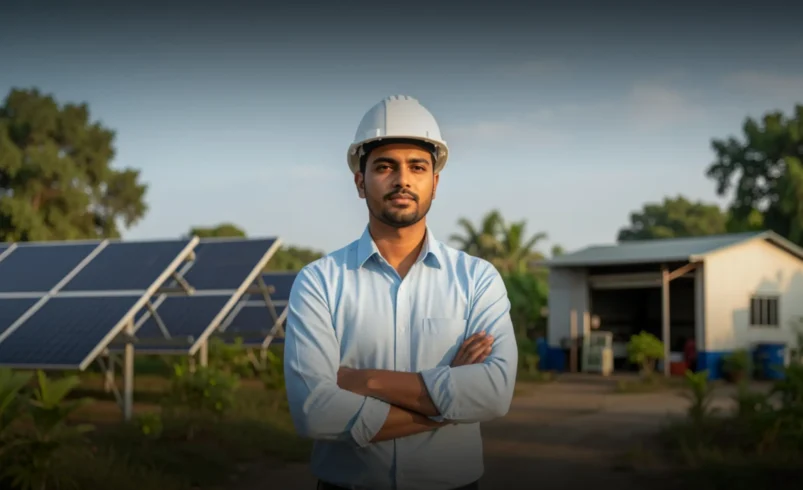
• Adoption of renewable energy sources such as solar
• Waste management and recycling systems
• Water conservation and treatment infrastructure
• Certification and compliance expenses
For many SMEs, the initial investment can range from a few lakhs to several crores, depending on the extent of transformation.
However, experts emphasize that these costs should be viewed as long-term investments rather than short-term expenses. Businesses can also explore solutions such as smart industrial equipment for efficiency to reduce operational waste and optimize performance.
Long-Term Financial and Operational Benefits
Despite the upfront costs, the green transition offers significant long-term advantages.
Key benefits include:
• Reduction in energy and operational costs over time
• Improved efficiency and resource utilization
• Enhanced brand reputation and market positioning
• Access to premium markets and export opportunities
• Better compliance with regulatory requirements
Studies indicate that MSMEs adopting energy-efficient technologies can reduce operational costs by up to 20 to 25 percent over time.
Government Support for MSMEs Going Green
Recognizing the financial burden of sustainability initiatives, the government is introducing multiple support mechanisms.
Key areas of support include:
• Subsidies for energy-efficient equipment and renewable energy installations
• Credit-linked capital subsidy schemes
• Incentives for adopting clean technologies
• Support for waste management and pollution control systems
• Training and awareness programs for MSMEs
In addition, green financing options are being expanded through banks and financial institutions, making it easier for SMEs to access funds for sustainability projects.
Access to Green Finance and Credit
Financing remains a critical factor in enabling the green transition.
New developments include:
• Dedicated green loan products for MSMEs
• Lower interest rates for sustainable projects
• Increased availability of ESG-linked funding
• Digital platforms for faster loan approvals
These financial tools are helping reduce the burden of upfront investment and encouraging faster adoption. MSMEs can also leverage Global B2B Marketplace to connect with verified suppliers offering sustainable solutions.
Impact on Export Competitiveness
Sustainability is becoming a key requirement in international trade. Many global buyers now prioritize suppliers who meet environmental standards.
For MSMEs, this means:
• Greater access to export markets
• Improved credibility with international clients
• Ability to command better pricing for sustainable products
Failing to meet these expectations could result in lost business opportunities in global markets.
Challenges in the Transition Process
While the benefits are clear, MSMEs face several challenges in adopting green practices.
Common hurdles include:
• Limited awareness of available technologies
• High initial investment costs
• Lack of technical expertise
• Difficulty in measuring return on investment
• Resistance to change within organizations
Addressing these challenges requires coordinated efforts from government, industry bodies, and financial institutions.
Sector-Wise Adoption Trends
Different sectors are adopting sustainability at varying speeds.
Key observations include:
• Manufacturing SMEs are focusing on energy efficiency and waste reduction
• Food processing units are adopting water conservation and organic practices
• Textile businesses are exploring eco-friendly materials and processes
• Engineering units are investing in cleaner production technologies
This indicates that the green transition is spreading across industries, though at different levels of maturity.
What MSMEs Should Do Now
Experts suggest that MSMEs should take a phased approach to sustainability rather than attempting a complete overhaul at once.
Practical steps include:
• Conducting an energy and resource audit
• Identifying high-impact areas for improvement
• Starting with low-cost, high-return initiatives
• Exploring government schemes and subsidies
• Training staff on sustainable practices
A structured approach can help manage costs while delivering measurable results.
Industry Outlook: A Structural Shift in Business Practices
The green transition is expected to reshape the MSME landscape in the coming years.
Key projections suggest:
• Increased adoption of renewable energy across SMEs
• Stronger integration of sustainability in supply chains
• Growth in green product segments
• Greater regulatory focus on environmental compliance
Businesses that adapt early are likely to gain a significant advantage.
The move toward sustainability is no longer optional for Indian MSMEs. It is becoming a critical factor for survival, growth, and competitiveness in both domestic and global markets.
While the transition involves costs and challenges, the long-term benefits far outweigh the initial investment. With strong government support, improved access to finance, and growing market demand, MSMEs have a unique opportunity to transform their operations.
The businesses that act early and strategically will not only comply with future regulations but also position themselves as leaders in a greener, more sustainable economy.