
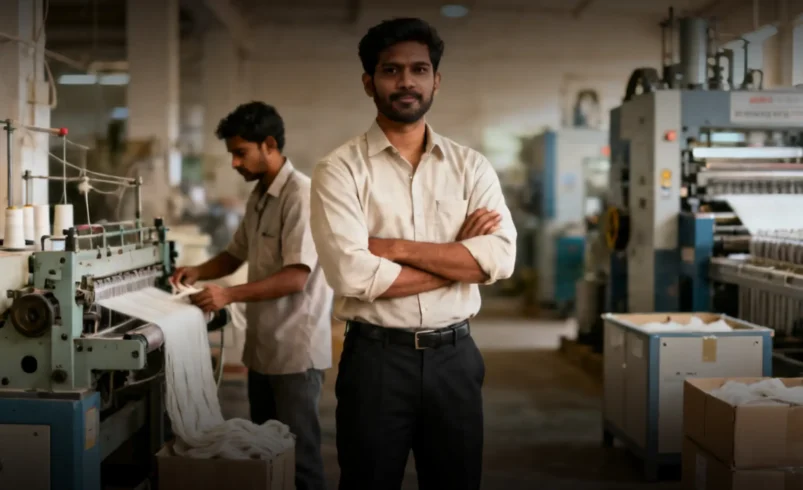

India’s business landscape is witnessing a sharp rise in micro enterprises, driven by digital access, government support, and a growing culture of entrepreneurship. From small manufacturing units to service-based startups operating from homes or shared spaces, micro enterprises are expanding rapidly across sectors.
While this growth strengthens the overall MSME ecosystem, it also raises an important question for established small and medium enterprises. Is this surge creating new opportunities, or intensifying competition?
As of 2026, micro enterprises account for a significant majority of the MSME sector, reshaping market dynamics and supply chains in ways that larger SMEs can no longer ignore.
A Rapid Expansion of Micro Enterprises
The growth of micro enterprises in India has accelerated due to multiple structural and policy factors.
Recent estimates suggest:
• As per the Press Information Bureau (PIB), more than 7.30 crore enterprises had registered on the Udyam Registration Portal and Udyam Assist Platform by December 2025
• Most of these are micro enterprises, forming the backbone of the formal MSME sector
• Digital platforms have reduced entry barriers for new entrepreneurs
• Access to small-ticket financing has improved through fintech solutions
This expansion is particularly visible in sectors such as retail, food processing, handicrafts, logistics, and digital services.
What Is Driving This Growth?
Several key factors are fueling the rise of micro enterprises.
Primary drivers include:
• Low entry barriers and minimal capital requirements
• Increased access to digital tools and online marketplaces
• Government schemes encouraging entrepreneurship
• Growing demand for localized and niche products
• Shift toward self-employment and gig-based income models
These factors have made it easier for individuals to start and operate small businesses with limited resources.
Opportunity for SMEs: A Stronger Supply Chain Ecosystem
For growing SMEs, the rise of micro enterprises presents significant opportunities, particularly in supply chain expansion.
Micro enterprises can act as:
• Vendors and subcontractors for larger SMEs
• Local distributors and last-mile delivery partners
• Specialized service providers
• Suppliers of niche or customized products
This creates a more flexible and scalable ecosystem, allowing SMEs to reduce costs and improve operational efficiency. Leveraging a Global B2B Marketplace, further enables businesses to connect and collaborate efficiently across borders.
Market Expansion Through Collaboration
SMEs can leverage micro enterprises to expand into new markets.
Benefits include:
• Access to local markets with minimal investment
• Faster market penetration in tier 2 and tier 3 cities
• Ability to offer region-specific products and services
• Improved customer reach through decentralized networks
This collaborative approach can help SMEs scale without heavy capital expenditure, especially when sourcing through reliable networks and sourcing from trusted global partners.
Innovation and Agility in the Ecosystem
Micro enterprises are often more agile and experimental compared to larger businesses.
They contribute by:
• Introducing new product ideas and innovations
• Responding quickly to changing market trends
• Offering customized solutions to customers
• Testing new business models at a smaller scale
For SMEs, this creates opportunities to identify trends early and adapt strategies accordingly.
The Competitive Challenge for SMEs
While opportunities exist, the rise of micro enterprises also brings increased competition.
Key concerns include:
• Price competition due to lower operating costs
• Market fragmentation in certain sectors
• Difficulty in maintaining customer loyalty
• Increased pressure on margins
In sectors such as retail and services, micro enterprises are directly competing with SMEs for the same customer base.
Impact on Pricing and Margins
Micro enterprises often operate with lean structures and lower overheads, allowing them to offer competitive pricing.
This creates challenges for SMEs:
• Pressure to reduce prices
• Reduced profit margins
• Need to differentiate through quality and service
• Increased focus on efficiency
SMEs must find ways to balance cost competitiveness with value creation.
Access to Finance: A Shifting Landscape
The growing number of micro enterprises is also influencing how financial institutions allocate resources.
Key developments include:
• Increased focus on micro-lending and small-ticket loans
• Expansion of fintech platforms targeting micro businesses
• Competitive funding environment for SMEs
While access to finance is improving overall, SMEs may face tighter competition for larger funding pools.
Role of Digital Platforms in Leveling the Field
Digitalization has significantly reduced the gap between micro enterprises and SMEs.
Key impacts include:
• Equal access to online marketplaces
• Digital marketing tools available at low cost
• Online payment and logistics solutions
• Direct customer engagement through social platforms
This has enabled micro enterprises to compete with SMEs in ways that were not possible earlier.
Government Policy and Its Implications
Government policies are playing a crucial role in supporting micro enterprises.
Key initiatives include:
• Simplified registration and compliance processes
• Financial support through targeted schemes
• Skill development and training programs
• Promotion of local manufacturing and entrepreneurship
While these measures strengthen the overall ecosystem, SMEs must adapt to a more competitive and inclusive environment.
Strategic Response for Growing SMEs
To navigate this changing landscape, SMEs need to adopt a strategic approach.
Key actions include:
• Building strong partnerships with micro enterprises
• Focusing on quality, branding, and customer experience
• Investing in technology and efficiency
• Expanding into new markets and segments
• Developing differentiated products and services
A proactive strategy can turn competition into collaboration.
Industry Outlook: Coexistence and Collaboration
Experts believe that the rise of micro enterprises will not weaken SMEs but reshape their role in the economy.
Key trends expected include:
• Increased integration between micro enterprises and SMEs
• Growth of decentralized supply chains
• Expansion of collaborative business models
• Greater focus on innovation and specialization
This indicates a shift toward a more interconnected and dynamic business ecosystem.
The rapid growth of micro enterprises in India presents both opportunities and challenges for established SMEs. While competition is intensifying, the potential for collaboration, market expansion, and innovation is equally significant.
For SMEs, the key lies in adapting to this evolving environment. Those who build strong networks, leverage technology, and focus on value creation will be better positioned to thrive.
The rise of micro enterprises is not just a trend. It is a structural shift that is redefining how businesses operate and compete in India’s economy.