
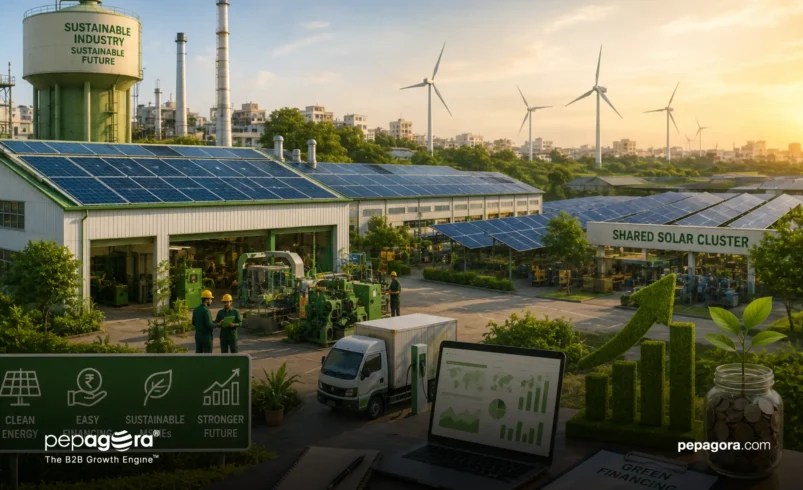

In the modern industrial landscape, Micro, Small, and Medium Enterprises (MSMEs) are recognized as vital pillars of economic stability, job creation, and grassroots innovation. However, as the global market moves toward strict environmental sustainability and carbon neutrality, smaller enterprises face a double-edged sword. While they are expected to clean up their production processes, they rarely possess the heavy capital or technical frameworks required to adopt sustainable systems.
To bridge this operational gap, industry think tanks, trade bodies, and financial analysts are urging regulators to introduce specialized, MSME-focused policy reforms. The core objective is clear: to democratize access to green energy technologies by eliminating the regulatory, financial, and logistical bottlenecks that historically prevent small-scale factories from adopting eco-friendly power solutions.
By treating small businesses as a distinct segment rather than miniature corporations, policymakers aim to ignite a widespread green transition across the manufacturing tier and open up new sustainable digital trade channels.
The Challenges of Going Green for Smaller Factories
While multinational corporations can easily allocate millions to install massive rooftop solar systems or sign corporate power purchase agreements, smaller manufacturers operate under incredibly tight margins. For an independent textile plant, an engineering workshop, or a component foundry, the upfront cost of transitioning to clean energy can be prohibitive.
Furthermore, traditional green energy financing is often structured around large-scale projects. Banks typically require high credit scores, physical collateral, and extensive corporate track records before approving loans for commercial solar panels or energy-efficient machinery. Because many micro-enterprises operate in informal or semi-formal setups, they are frequently shut out of these green financing pools, leaving them dependent on traditional, high-emission grid electricity.
Beyond the initial financial hurdle, logistical complexities also slow down adoption. Many small business owners rent their factory spaces or operate out of shared industrial clusters, meaning they do not own the rooftops or land required to set up independent solar arrays. This highlights the urgent need for structural policy updates that offer flexible, decentralized energy solutions tailored to shared commercial properties.
Key Policy Reforms to Drive Clean Energy Adoption
To make green energy truly accessible for small business owners, trade analysts have outlined a series of targeted regulatory interventions. These mechanisms are designed to de-risk the transition and create immediate financial incentives for sustainable operations:
1.Subsidized Clean Energy Access and Low-Interest Credit Lines:
The most effective way to jumpstart the green transition is by lowering the initial barrier to entry. Experts suggest implementing specialized credit lines backed by state guarantee funds, allowing commercial banks to offer collateral-free loans specifically for green upgrades. When a small business owner can purchase energy-efficient motors or solar rooftop kits with low-interest, long-term financing, the operational savings on monthly power bills quickly offset the loan payments, making the project self-sustaining.
2.Virtual Net Metering and Shared Industrial Solar Clusters:
For businesses operating out of rented facilities or multi-story industrial complexes, physical solar installations are practically impossible. To solve this, regulators are being urged to implement Virtual Net Metering (VNM). Under a VNM framework, an entire industrial cluster or cooperative can invest in a single, off-site solar farm. The clean electricity generated by this shared plant is fed directly into the main power grid, and the participating small businesses receive proportional credits on their individual electricity bills. This system ensures that even the smallest micro-unit can reap the financial rewards of renewable energy without needing physical space on-site.
3.Streamlined Regulatory Clearances and Tax Exemptions:
Bureaucratic delays in securing approvals for green energy integration often discourage well-meaning entrepreneurs. Redesigning these procedures into a single-window digital clearing system would allow merchants to apply for grid connections, net-metering approvals, and environmental compliance certifications simultaneously. Additionally, offering direct tax exemptions or reduced import tariffs on essential green hardware—such as lithium-ion storage cells, smart meters, and high-efficiency inverter units—automatically drops market prices, making adoption highly attractive.
The Role of Tier-2 Cities in Sustainable Industrial Growth
The push for eco-friendly business practices is no longer limited to major metropolitan areas. As highlighted in the industry report on Why Tier-2 Cities Are Becoming India’s Next Business Growth Hubs, a significant shift in business activity is moving toward fast-growing regional urban centers. These emerging hubs are rapidly developing robust industrial clusters across multiple manufacturing sectors.
Because many of these regional growth centers are currently expanding their infrastructure from the ground up, they present a golden opportunity for green integration. Building sustainability directly into these emerging industrial zones allows local factories to adopt energy-efficient layouts, shared waste management setups, and localized clean power grids right from the start.
Embracing modern infrastructure via a dedicated B2B platform dashboard enables manufacturers in these emerging hubs to position themselves as sustainable suppliers to both domestic and international markets.
The Multi-Trillion Dollar Economic Incentive
Transitioning the small business sector to sustainable power models is not merely an environmental obligation; it is an economic necessity. As international trade regulations grow stricter, global buyers are increasingly auditing the carbon footprints of their entire supply chains. Smaller manufacturers that proactively transition to clean energy will naturally find themselves at a distinct competitive advantage, unlocking new export agreements and long-term contracts with global brands.
At the same time, reducing a factory’s long-term energy costs stabilizes its bottom line, protecting it from volatile fossil fuel prices. By building a faster, paperless, and deeply democratized green financing ecosystem—and complementing it with specialized AI solutions for small retailers and factories—policymakers can provide the continuous financial energy required to drive long-term resilience, innovation, and global competitiveness for small business owners everywhere.

About Author
Harsha Varthan
Harsha is a highly respected B2B marketing expert who passionately helps sellers and buyers connect, grow their businesses online, and build strong global visibility. His expertise spans SEO, content marketing, lead generation, marketplace strategy, public relations, and result-driven digital growth planning, making him a trusted voice in the industry.