
For long periods of time, rural companies relied on local consumers and neighboring merchants. It was hard for small companies located in rural areas to trade outside their communities because of limited market access.
With internet connection and digital commerce, all of that is getting changed. Using e commerce websites and online marketplaces, rural businesses now have an opportunity to demonstrate their products to people from across the country. The growing role of digital marketing is also helping small businesses improve visibility and reach customers beyond their immediate locations. Digital advertising is becoming an important growth channel for Indian MSMEs as more businesses use online platforms to reach wider markets.
This change creates opportunities for rural digital commerce for businesses, making it possible to enter national market for companies without a physical presence in every region.
Overcoming the Barriers of Geography
One of the best things about digital commerce is that it allows for the overcoming of geographical barriers.
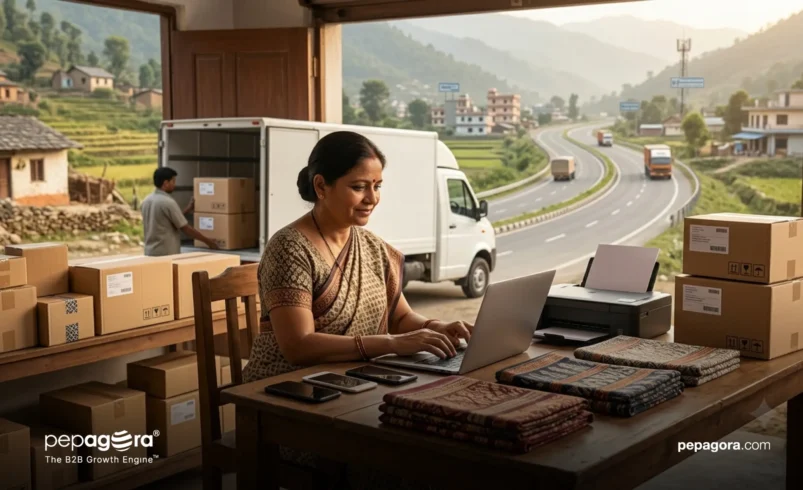
For instance, a manufacturer, craftsman, or farmer producer from a rural location can market the product using digital means to buyers located in urban areas and other states.
Rather than relying on the geographical area alone, businesses will be able to look at markets where the demand for their products is high.
Improved Visibility for Rural Goods
Rural businesses manufacture some unique goods, ranging from handicrafts, textiles, processed foods, agricultural goods, traditional goods, and manufacturing goods.
The digital medium provides such businesses an opportunity to market their goods using pictures, details, specifications, and business profile.
Improved visibility will allow some of the goods that were earlier only known to a local market become visible to people across the nation.
Digitalisation is increasingly becoming an important part of how small businesses improve their online presence, communicate with customers, and compete beyond traditional markets. This broader shift is also reflected in the growing focus on digitalisation for Indian SMEs.
Easy Access to B2B Customers
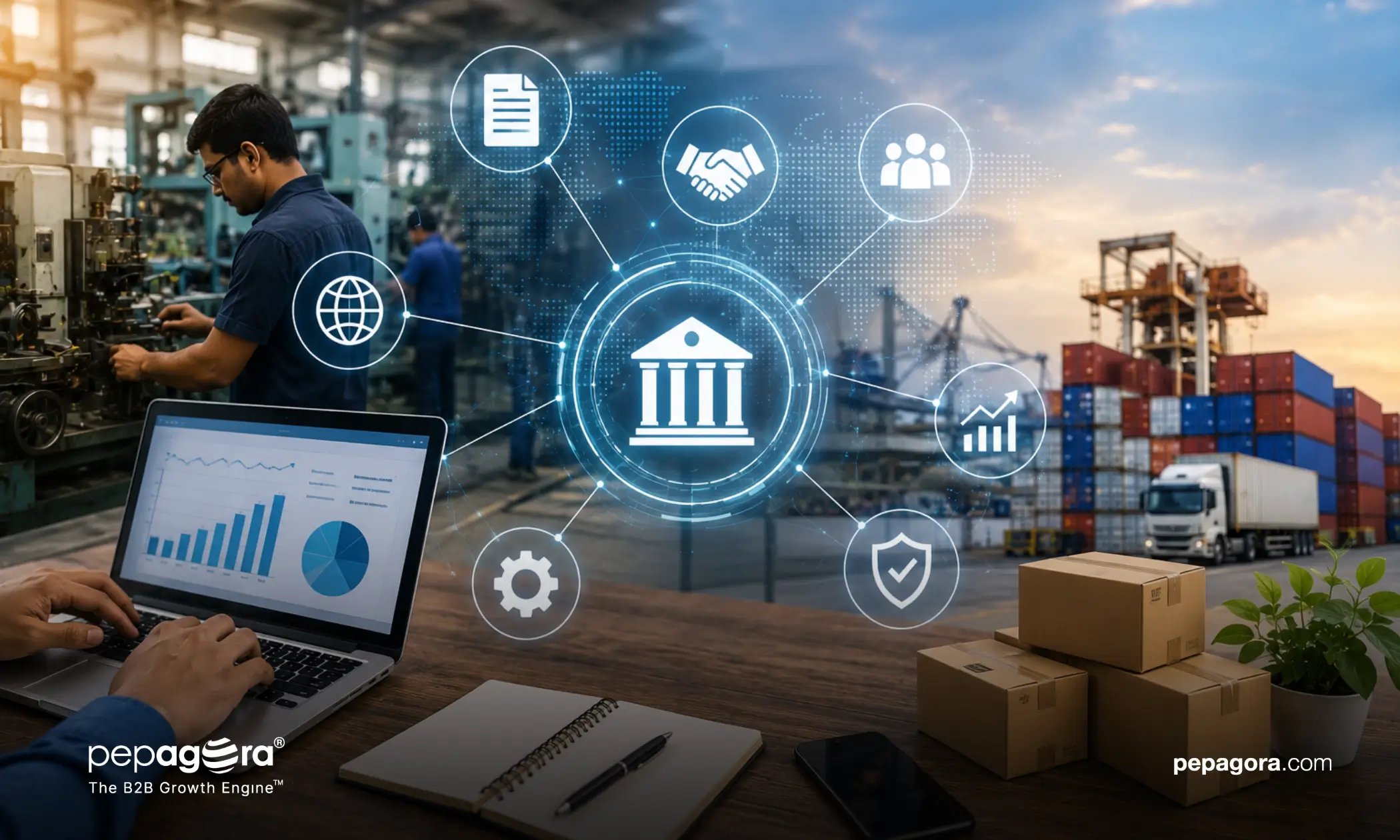
The use of digital commerce is not restricted to individuals. B2B commerce can link rural manufacturers, suppliers, wholesalers, and service providers with businesses that require goods or raw material.
For instance, an individual manufacturer located in a rural industrial estate can receive inquiries from distributors and businesses even if they are hundreds of kilometers away.
This allows for creation of business links without having to physically go to all possible markets.
The opportunity is particularly important for businesses operating from smaller cities and regional industrial areas. Improved connectivity and digital platforms are creating new opportunities for businesses outside major metropolitan markets, including Tier 2 and Tier 3 businesses seeking wider commercial opportunities.
Digital Payment Makes Transaction Easy
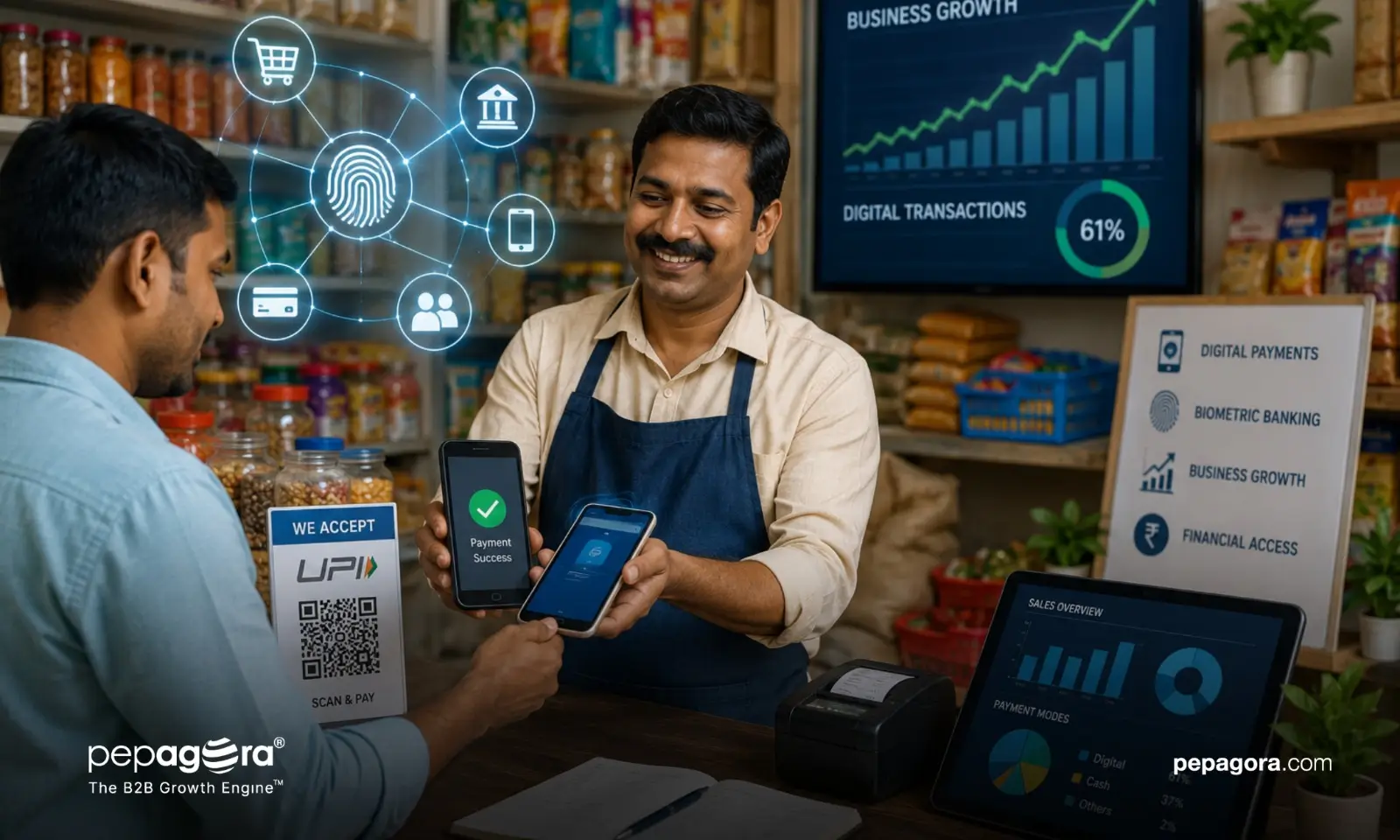
Digital payments have made it easier for businesses to engage in transactions.
Businesses can get their payments through digital means while keeping track of the transactions made. This helps in making transactions less cash intensive for business dealings.
Rural MSMEs who are looking to grow can take advantage of such digital payments systems to make business transactions easy.
Logistics Increase Access to the Market
Effective logistics channels form yet another reason for the expansion of rural digital trade.
Firms now have access to various courier, transportation, storage and fulfillment services to deliver goods beyond the borders of the local market.
With the availability of delivery channels growing, geographical location stops being a limiting factor of delivering products to customers throughout the country.
This development is also relevant to businesses that eventually look beyond domestic markets. Indian MSMEs from smaller cities are increasingly exploring international opportunities as digital connectivity and logistics improve. Recent developments show how Indian MSMEs are expanding into overseas markets without necessarily maintaining a physical presence in those markets.
Digital Tools Aid in Understanding Consumer Demand
Finally, digital commerce may help business understand consumer demand.
By analyzing the enquiries made by consumers, companies will learn what products are popular among buyers, where there is demand for these products, and what clients need.
Strengthening the Rural Brand Identity
Online shopping offers rural firms the chance of developing a professional image beyond their own locality.
Through a professionally designed profile, consistent branding, quality product photographs, customer feedbacks, and effective communication, one can generate credibility.
Gradually, even a small rural firm would be able to get known outside its local market.
Challenges Rural Businesses Must Address
Even though there are many opportunities, digital adoption entails preparation.
The businesses may need assistance in matters concerning digital competencies, digital marketing, product photography, packaging, logistics, customer services, among others.
Boosting digital literacy skills and offering support in business can help rural businesses to take part in the digital economy.
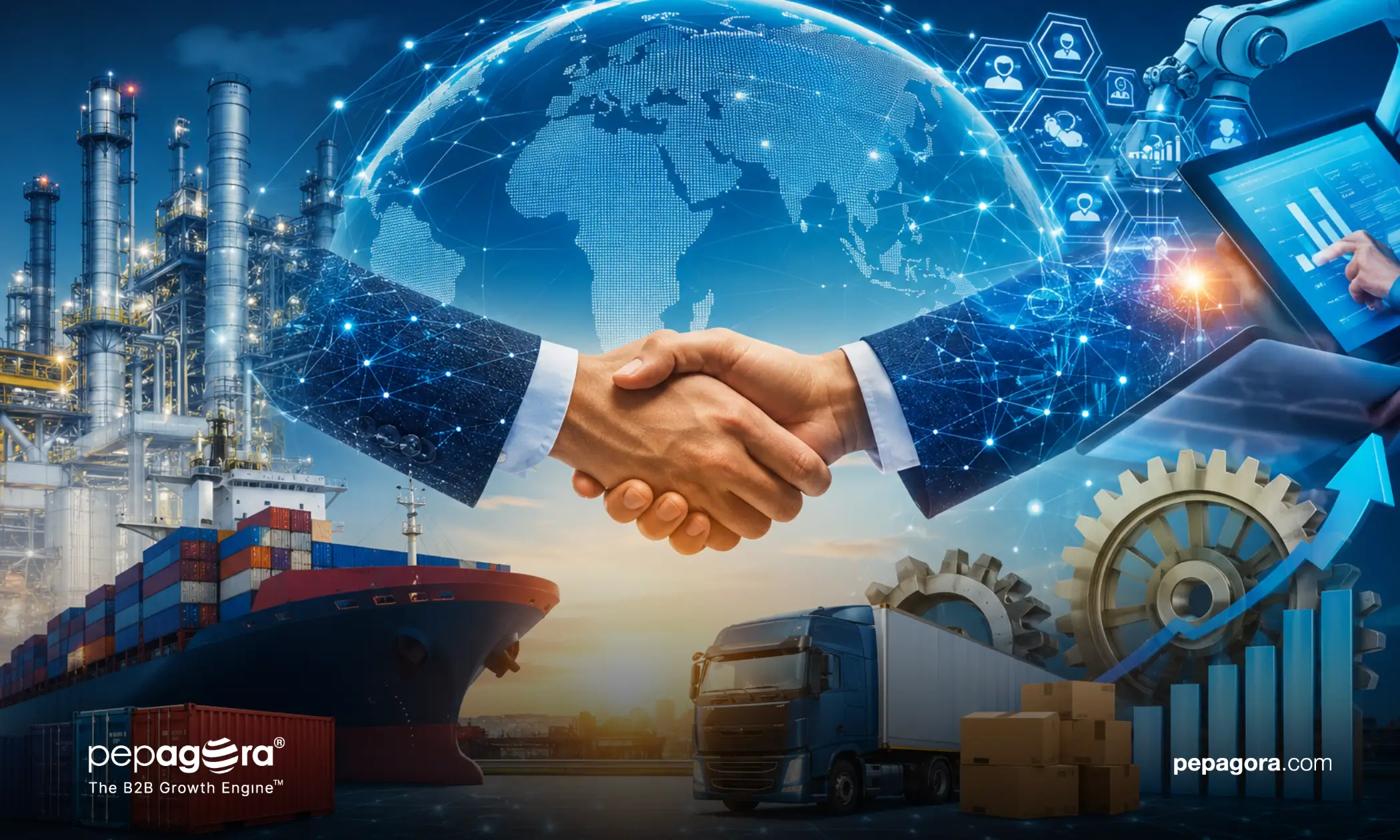
Digital business opportunities for rural businesses are establishing a connection between local businesses and national markets.
By leveraging B2B portals, ecommerce platforms, digital payments, and logistics, rural businesses can extend their business opportunities, identify potential customers, and minimize dependency on local market demand.
It is more than just selling products online. It is about ensuring that rural businessmen get exposure and access to national markets.
With growing digitization, rural businesses in India can gain competitive advantage at the national level.
FAQs
It helps rural businesses reach customers and buyers across India beyond their local markets.
Manufacturers, suppliers, farmers, artisans, food producers, and handicraft businesses can benefit.
Common challenges include digital skills, marketing, logistics, packaging, payments, and customer service.