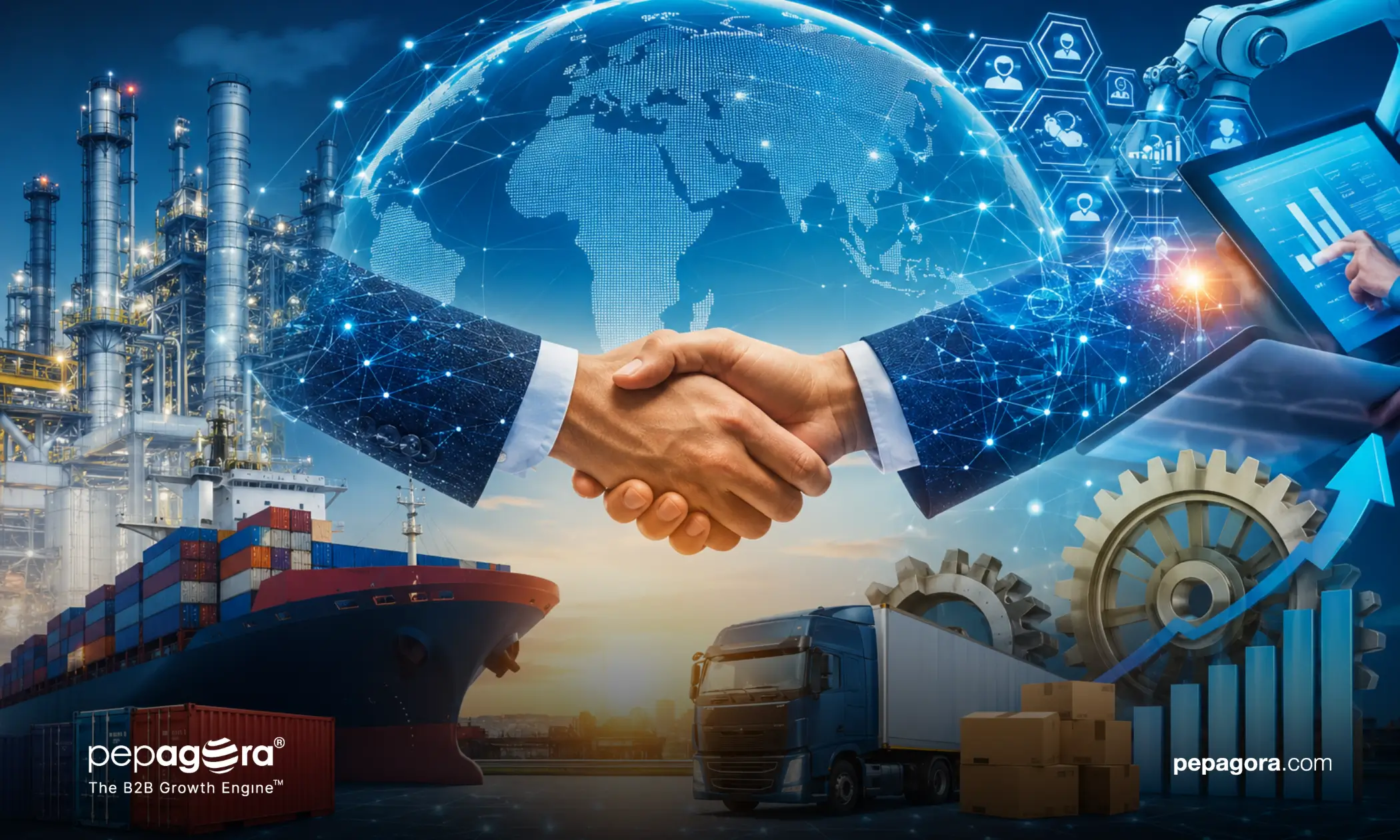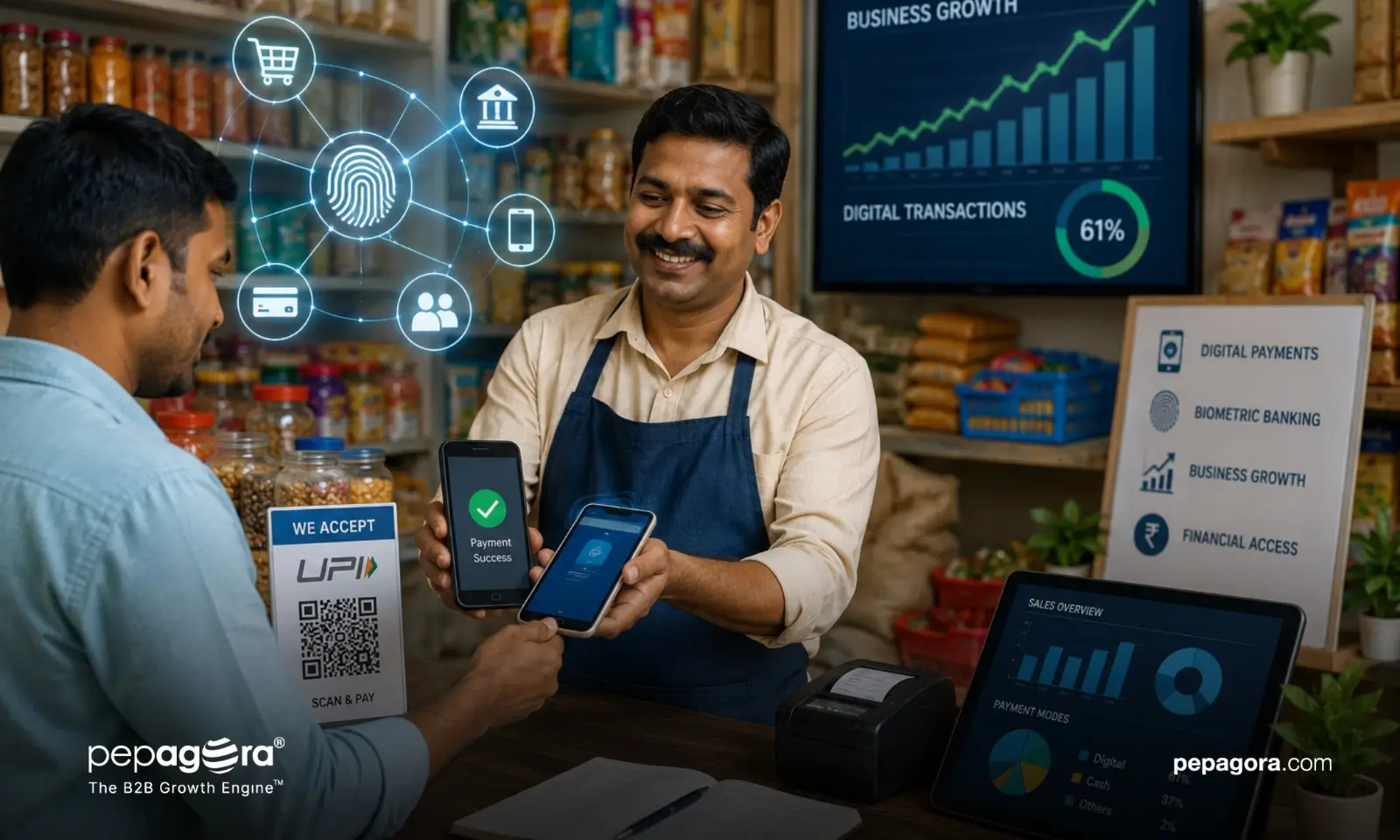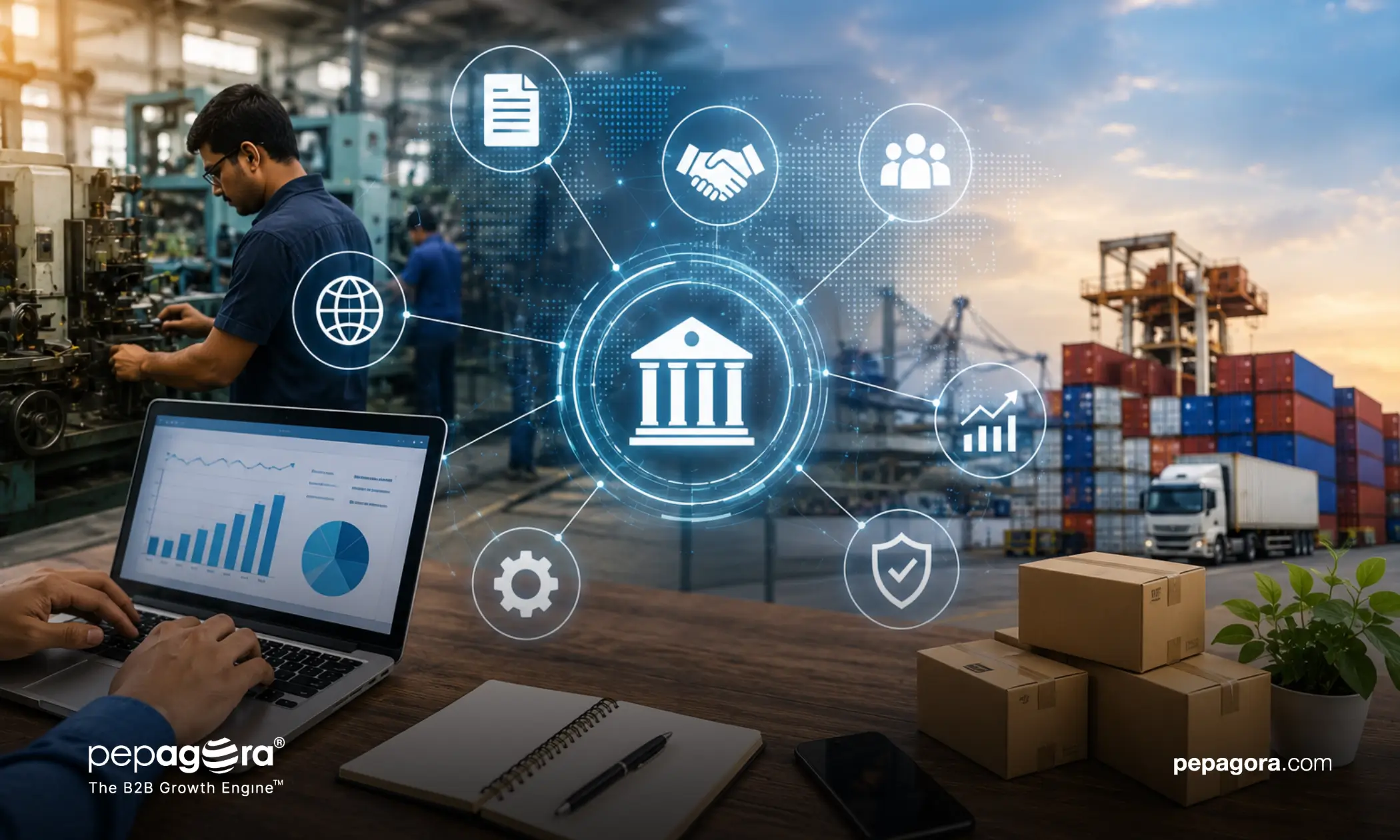
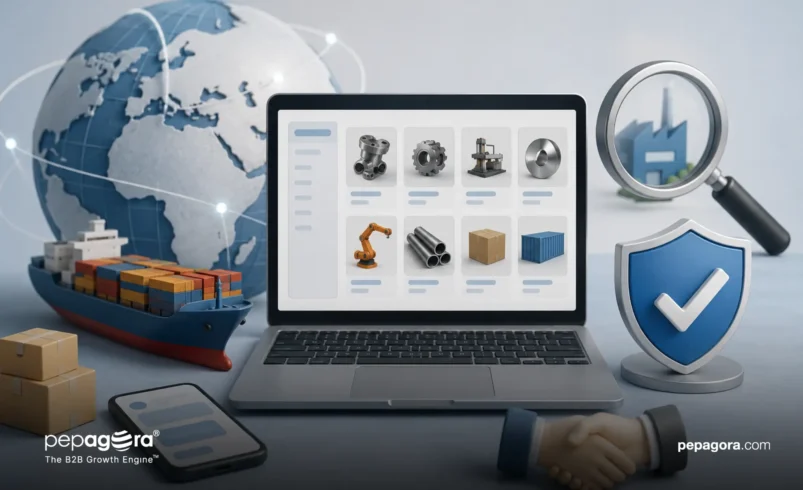

There is currently an ongoing digital revolution taking place in the realm of global business. There is no longer the requirement for businesses to rely solely upon trade fairs, traditional intermediaries, or personal networks for finding their international buyers and sellers. Technology is providing firms with new possibilities to research, assess, interact, and deal with their international business opportunities.
Digital Trade Platforms play a crucial role in this revolution. Through facilitating interaction between buyers and sellers online, these platforms will be able to enable easier, faster, and more transparent international procurement. Firms will now be able to research products, assess supplier data, contact potential partners, and engage in business conversation almost anywhere they want.
This development is expected to decrease many obstacles that were once inherent to international transactions for both small and large enterprises. With continued advancement of technology, digital platforms have already started changing the process of global commercial relationships creation.
What Are Digital Trade Platforms?
Digital trade platforms refer to online spaces where commercial activities take place between consumers and providers, suppliers, sellers, manufacturers, and distributors. Such platforms may include B2B trading or sourcing sites and industry-specific online networks.
Digital trade platforms usually offer services including:
- Product and service offerings.
- Supplier and buyer profiles.
- Search functionalities.
- Business validation.
- Online catalogs.
- Inquiry and message capabilities.
- Reviews or business information.
- Recommendations based on data.
Rather than searching for suppliers separately, companies can use a one-stop shop digital platform to find possible business contacts.
Why Digital Trade Is Growing
Companies Desiring Faster Supplier Discovery
The traditional method of procurement requires quite some research, phone calls, emails, and travels. The digital platform makes things easier as the buyer gets to search for various suppliers depending on their needs in terms of products, industries, geographic areas, and more.
The digital platform can help save a lot of time that is used to do this.
Ease of Access to International Markets
It becomes easier for companies to reach out to different markets through the digital platform. An Indian manufacturer, for instance, can easily showcase their products to interested buyers from Middle East, Europe, Africa, and any other parts of the world without having to set up office everywhere.
This can be especially useful for MSMEs lacking resources to expand their business to other markets.
Need for Digital Experiences
Today’s buyers conduct their research through the internet before reaching out to suppliers. Buyers look for opportunities to compare choices and learn about the products and supplier in question.
Digital trade platforms offer all of this in one online space.
How Digital Trade Platforms Transform Global Commerce
Supplier Discovery Simplification
One of the main advantages of using digital platforms lies in the facilitation of supplier discovery. Buyers have the possibility to search for businesses according to the product category, capabilities, industry, geographic location and so forth.
Moreover, some platforms can use data and AI technologies to provide suggestions about relevant suppliers and thus facilitate the process of discovering businesses that were not discovered with traditional search.
Facilitating Online Sourcing
Online sourcing gives procurement teams the possibility to carry out research and establish connections with suppliers without meeting them in person in one physical location.
In other words, a buyer will be able to analyze the products information, compare the suppliers, send inquiries, ask for more details and so forth online. Thus, the process of early sourcing becomes faster and can help the companies to consider many more options before the actual purchases.
Improving Business Visibility
The use of digital platforms also provides the possibility for sellers to promote their products and capabilities among a wider audience. A properly kept business profile will be able to inform about such things as:
- products/services;
- manufacturing capabilities;
- certifications;
- experience;
- served locations;
- contact details;
- export capabilities.
Such an approach may assist international buyers to realize whether a particular supplier is suitable for cooperation prior to starting a dialogue.
Facilitating Communication
Communication is the key element of international trade. Ineffective communication can lead to missed opportunities when buyers are considering several suppliers at once.
Digital platforms enable more effective communication and conversation management tools.
The Role of Digital Verification
Trust becomes all the more critical when business-to-business transactions are made between organizations that do not know each other.
Online business trading sites can promote trust by providing verified information about the business and the organization, along with any other relevant credentials. Verification does not negate the necessity of due diligence, but it certainly provides more information to the buyers in assessing potential sellers.
From the seller’s point of view, keeping correct information about themselves improves their online credibility.
How Technology Is Improving Cross-Border Trade
It is not only that digitalization helps businesses discover suppliers but also that other aspects of international trade are becoming more effective due to digitalization.
Decision Making with Digital Information
Using digital information, businesses will be able to compare suppliers, track their enquiries, know customer behavior and market tendencies. This will allow businesses to make better decisions regarding expansion into other markets.
Suppliers’ Discovery Using Artificial Intelligence
Businesses could use Artificial Intelligence technologies to analyze requirements of buyers and information about suppliers and propose potentially matching businesses.
Digitized Documentation
Using technology, businesses would be able to better organize such documents as invoices, information about products, certificates, transportation information etc.
Communication Integration
Digitalization allows businesses to integrate product discovery, enquiries, messaging and business information into one platform.
Benefits for Buyers
The digital trading platform has many benefits to the international buyer.
More Options
The buyer can choose from more suppliers rather than depending only on the existing network of connections.
Quick Comparison
It is simpler to compare possible choices due to product details and information on the suppliers.
Reduced Cost of Search
There will be reduced costs and time required to search for suppliers.
More Exposure to International Suppliers
They can find suppliers that they never thought about before.
Benefits for Sellers
Digital commerce provides sellers with many advantages as well.
Access to International Buyers
Firms are able to market their goods or services to clients outside the geographic vicinity.
Increased Lead Generation
A good digital presence is capable of generating inquiries from potential buyers who are actively searching for the respective products and services.
Reduced Marketing Obstacles
Good digital presence allows international exposure without having a substantial physical sales channel.
MSME Possibilities
Small businesses are able to compete on an equal footing with bigger companies and attract clients who would be otherwise hard to reach.
Challenges Businesses Should Consider
Even though digital trade platforms have many benefits, they do not solve all difficulties related to international trade.
Supplier Verification
It is recommended that businesses perform appropriate due diligence before participating in large-scale transactions.
Data accuracy
Inaccurate data about products or about business as a whole might lead to misunderstanding.
Cyber security
It is necessary to be careful when disclosing information about a business and customers online.
International Compliance
Digital discovery does not change customs, tax, product standard, import regulations or any other compliance matters in the destination market.
Hence, businesses should consider digital platforms as an instrument for exploring new possibilities and not as a solution to international trade process itself.
The Future of Digital Trade Platforms
Global business will become more integrated and technology-driven in the future. Intelligent recommendations, communication automation, digital verification, analytics, and transaction services using AI can make digital marketplaces smarter.
Customers might be receiving intelligent suggestions of suppliers according to their needs, whereas suppliers would get a chance to find potential buyers.
In addition, along with the development of such technologies, digital marketplaces could make various stages of the international business process part of one technological system: discovery, communication, verification, negotiation, and transaction assistance.
Such an approach would make global business available for companies of different sizes and origin.
Digital Trade Platforms are revolutionizing international business by offering a quicker and easier way for companies to find and contact suppliers. The platforms allow firms to discover international contacts, demonstrate their abilities, communicate, and establish business relations independently of other sourcing channels.
With the help of these platforms, buyers have more options, faster search, and can access foreign suppliers, while sellers have opportunities to reach international customers and operate beyond domestic borders.
Although there is still the necessity to take care of verification, cyber security issues, regulation, logistics, and due diligence, digital platforms can facilitate the initial steps of international business greatly. As artificial intelligence and other digital business solutions continue developing, these platforms are expected to become even more useful in the future.
FAQs
Traditional sourcing often depends on personal contacts, trade fairs, agents, and repeated communication with individual companies. Digital Trade Platforms bring product discovery, supplier information, business profiles, enquiries, and communication into one connected environment, making it easier for businesses to explore opportunities across markets.
Yes. A small manufacturer or supplier can use a Digital Trade Platform to present its products, manufacturing capabilities, business information, and target markets to a wider audience. This can create opportunities to connect with buyers beyond the company's usual geographic network without requiring a large international sales infrastructure.
No. Online discovery is only an initial step in the sourcing process. Buyers should still verify business credentials, product specifications, certifications, capacity, commercial terms, and regulatory requirements before entering into significant transactions. A strong digital profile can support the evaluation process, but it does not replace proper due diligence.