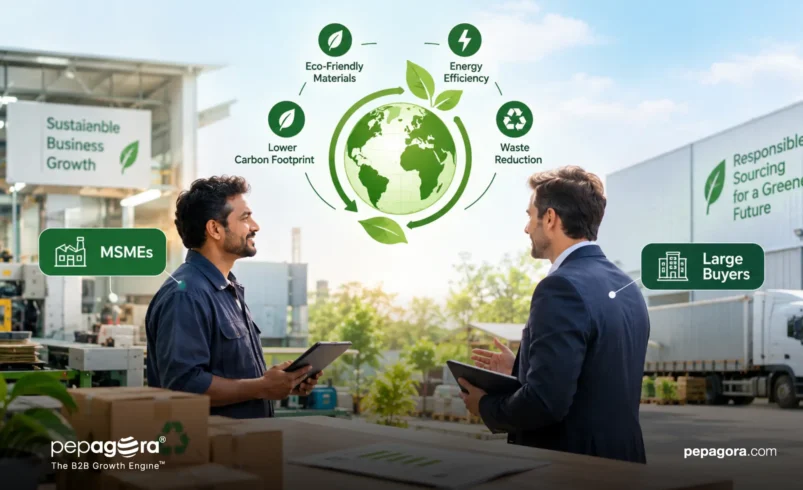

Sustainability is increasingly becoming part of how large companies select, evaluate and manage their suppliers. For MSMEs, this means that environmental performance is gradually moving beyond being a corporate responsibility issue and becoming part of competitiveness, market access and supplier relationships.
NITI Aayog’s 2026 Roadmap for Green Transition of MSMEs highlights that growing environmental expectations in global markets could affect MSME competitiveness, while investments in energy efficiency, cleaner energy and low-carbon practices can support long-term business growth.
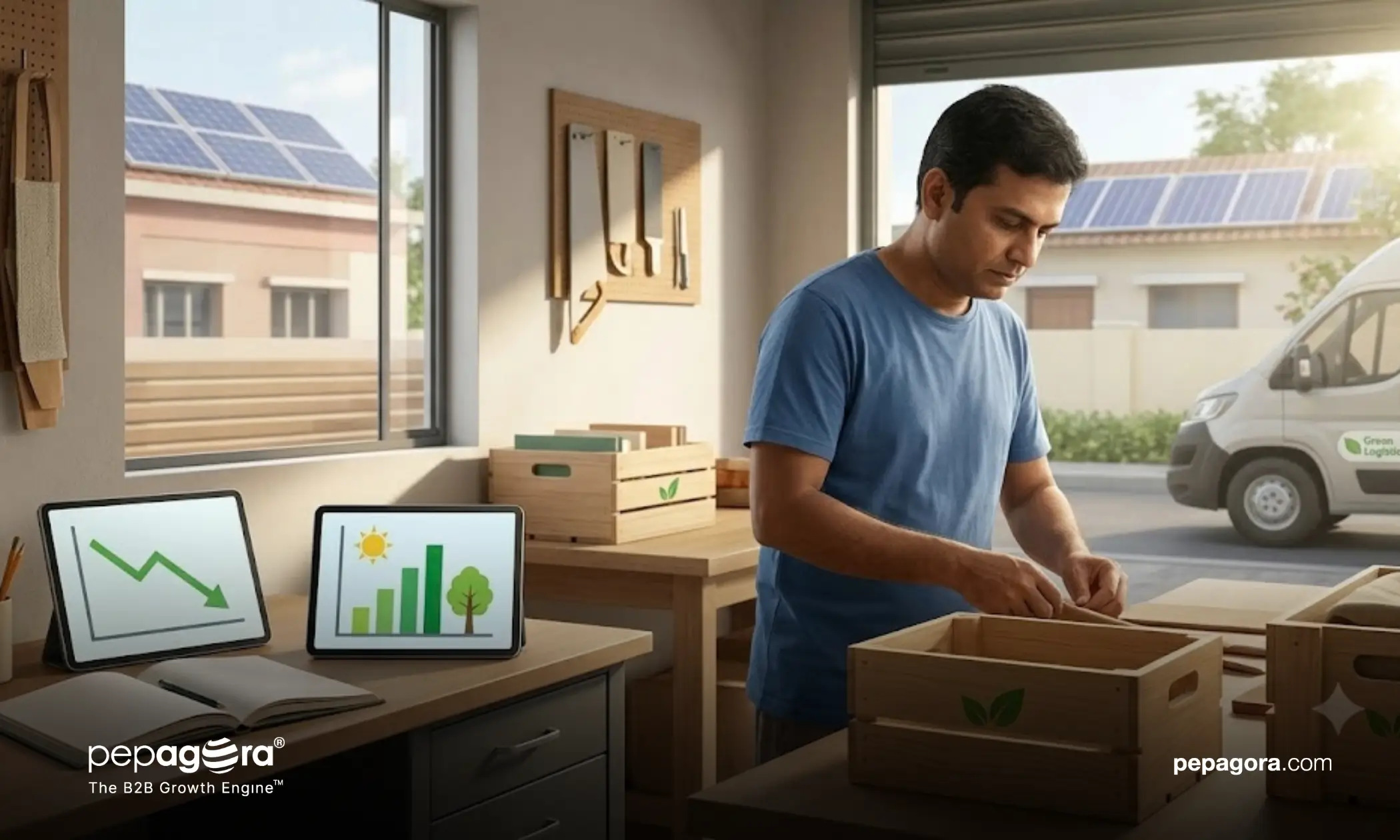
For smaller businesses, building a green supply chain does not necessarily require an expensive transformation. It can begin with practical improvements across energy, materials, waste, suppliers and data.
Why Large Buyers Are Asking for More
Large companies increasingly need visibility into the environmental and social performance of their supply chains.
For example, updated EU corporate sustainability rules focus on very large companies and their value chains. Although most MSMEs are outside the direct scope, smaller suppliers can still be indirectly affected when large customers request sustainability information from their supply-chain partners. These expectations are also connected to wider global supply-chain changes .
The EU has also introduced a voluntary sustainability reporting standard for SMEs to make it easier for smaller businesses to respond to information requests from larger companies and financial institutions.
This makes sustainability data increasingly relevant even when an MSME is not directly subject to a particular regulation.
Start With Energy Efficiency
Energy consumption is one of the most practical areas for MSMEs to address.
Businesses can begin by identifying their major energy-consuming machines and processes, replacing inefficient equipment, improving maintenance and reducing unnecessary electricity consumption.
Where feasible, businesses can also explore renewable electricity or cleaner energy sources. Reviewing production systems and adopting suitable smart manufacturing practices can also help businesses examine resource use and operational efficiency.
NITI Aayog’s roadmap identifies energy efficiency, green electricity and alternative fuels as three major levers for reducing emissions from India’s MSME sector.
Reduce Material and Resource Waste
A greener supply chain is not only about carbon emissions.
Excess raw-material consumption, damaged products, unnecessary packaging, water wastage and production scrap can increase both environmental impact and operating costs.
MSMEs can track material usage, identify recurring sources of waste and redesign processes where possible.
Simple actions such as better inventory planning, reusable packaging, process optimisation and recycling can gradually improve resource efficiency.
Make Suppliers Part of the Sustainability Strategy
An MSME’s environmental footprint can also depend on the materials and components it purchases.
Businesses should therefore start asking key suppliers basic questions about material origin, certifications, environmental practices and resource consumption.
This does not mean immediately demanding complex sustainability reports from every vendor. Instead, MSMEs can gradually create supplier criteria that include quality, reliability and relevant environmental practices.
Build Sustainability Data Into Business Records
Large buyers increasingly need evidence rather than general sustainability claims.
MSMEs should maintain basic records covering areas such as:
- Electricity and fuel consumption
- Water usage
- Waste generation and disposal
- Recycled or renewable materials
- Supplier information
- Relevant certifications
- Environmental improvements
Good data can help businesses respond to buyer questionnaires more efficiently and identify their own operational improvement opportunities. This also makes broader digitalisation efforts for SMEs relevant to sustainability planning.
Focus on Practical Certifications and Standards
Certifications can help demonstrate that sustainability practices are supported by defined processes.
However, businesses should select certifications based on their industry, target markets and buyer requirements rather than collecting certifications simply for marketing.
India’s Zero Defect Zero Effect (ZED) initiative is specifically designed to encourage MSMEs to improve product quality while reducing environmental impact.
Treat Green Practices as a Business Advantage
Sustainability investments can also improve operational efficiency.
Lower energy consumption can reduce costs. Better material utilisation can reduce waste. Improved supplier records can increase traceability. Efficient processes can also make production more predictable.
For MSMEs supplying larger companies, these improvements can strengthen their ability to demonstrate reliability and meet evolving procurement expectations.
Prepare Before Buyers Ask
One of the biggest mistakes an MSME can make is waiting until a major customer sends a sustainability questionnaire.
Businesses can prepare by identifying the sustainability information they already have, finding gaps and gradually improving their processes.
The objective does not have to be a complex sustainability programme from day one. A simple baseline, measurable targets and regular tracking can provide a practical starting point.
Conclusion
Green supply chains are becoming increasingly important in global business relationships . Large buyers are looking for greater visibility into how products are made, what resources are consumed and how environmental and social risks are managed across their supply networks.
For MSMEs, the transition can begin with practical steps: improving energy efficiency, reducing waste, working with responsible suppliers, maintaining reliable sustainability data and adopting relevant standards.
Businesses that build these capabilities early can strengthen operational efficiency while becoming better prepared for the sustainability expectations of large domestic and international buyers . Understanding supply-chain diversification can also help MSMEs consider how sustainability expectations may vary across global markets.
FAQs
Large buyers need better visibility into the environmental and social performance of their supply chains. They may request information from MSME suppliers to support their own reporting, risk management and sustainability requirements.
MSMEs can begin by improving energy efficiency, reducing material and water waste, reviewing supplier practices, maintaining sustainability records and setting measurable improvement targets.
Useful records include electricity and fuel consumption, water usage, waste generation and disposal, recycled or renewable materials, supplier information, relevant certifications and environmental improvements.

About Author
Harsha Varthan
Harsha is a highly respected B2B marketing expert who passionately helps sellers and buyers connect, grow their businesses online, and build strong global visibility. His expertise spans SEO, content marketing, lead generation, marketplace strategy, public relations, and result-driven digital growth planning, making him a trusted voice in the industry.