
New Delhi, 2026: In a major policy shift aimed at strengthening India’s MSME ecosystem, the Union Budget 2026 introduced a ₹10,000 crore SME Growth Fund, marking a transition


New Delhi, 2026: In a major policy shift aimed at strengthening India’s MSME ecosystem, the Union Budget 2026 introduced a ₹10,000 crore SME Growth Fund, marking a transition

Geopolitical tensions across parts of the Middle East are once again influencing global trade flows, freight costs, and payment cycles. For Indian SMEs, the region remains a crucial


India’s small and medium enterprises continue to hold a central position in the country’s economic structure. Despite rapid industrialization, digital disruption, and the rise of large corporations, SMEs

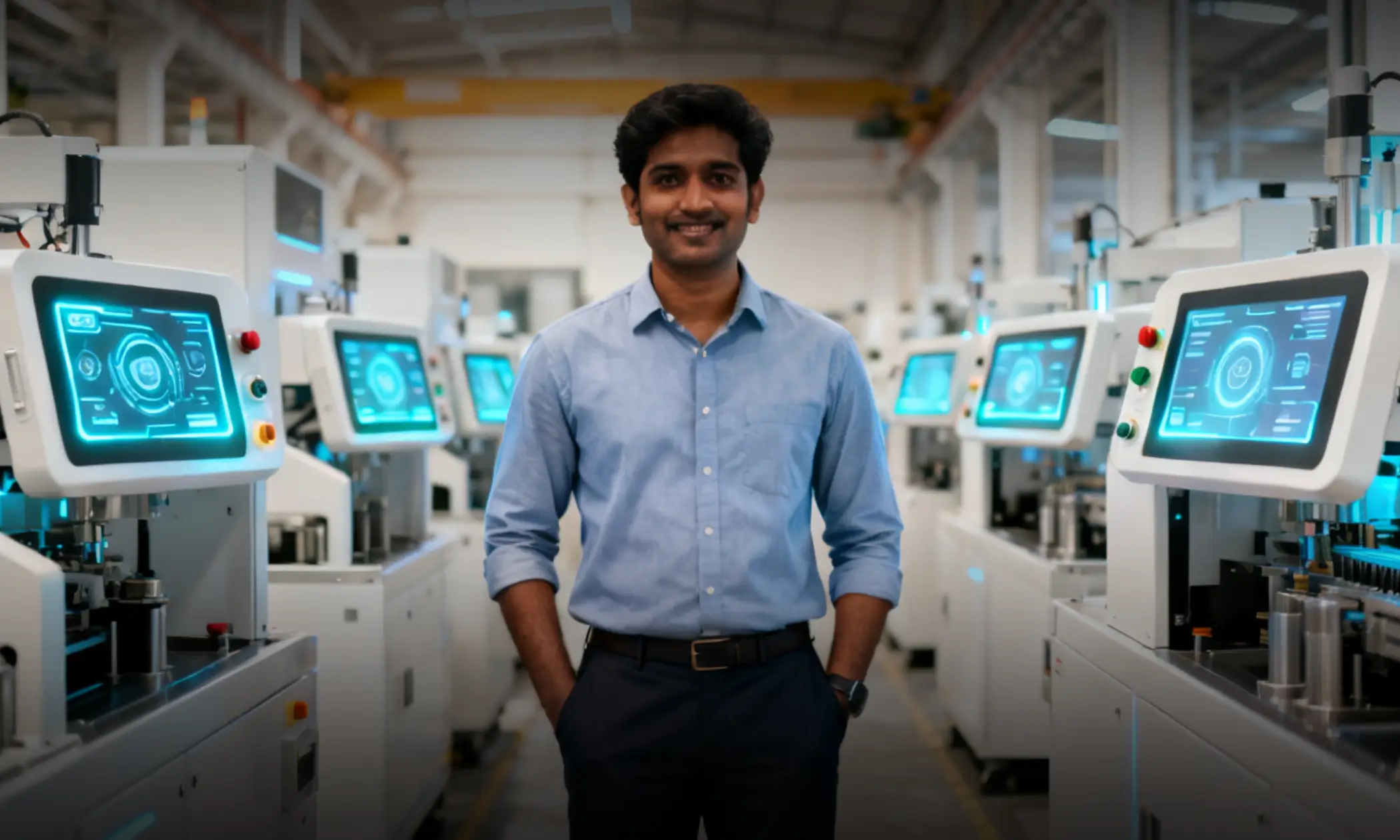
Indian small and medium enterprises are entering a new phase of industrial transformation driven by smart manufacturing and artificial intelligence reshaping production processes. What was once considered advanced

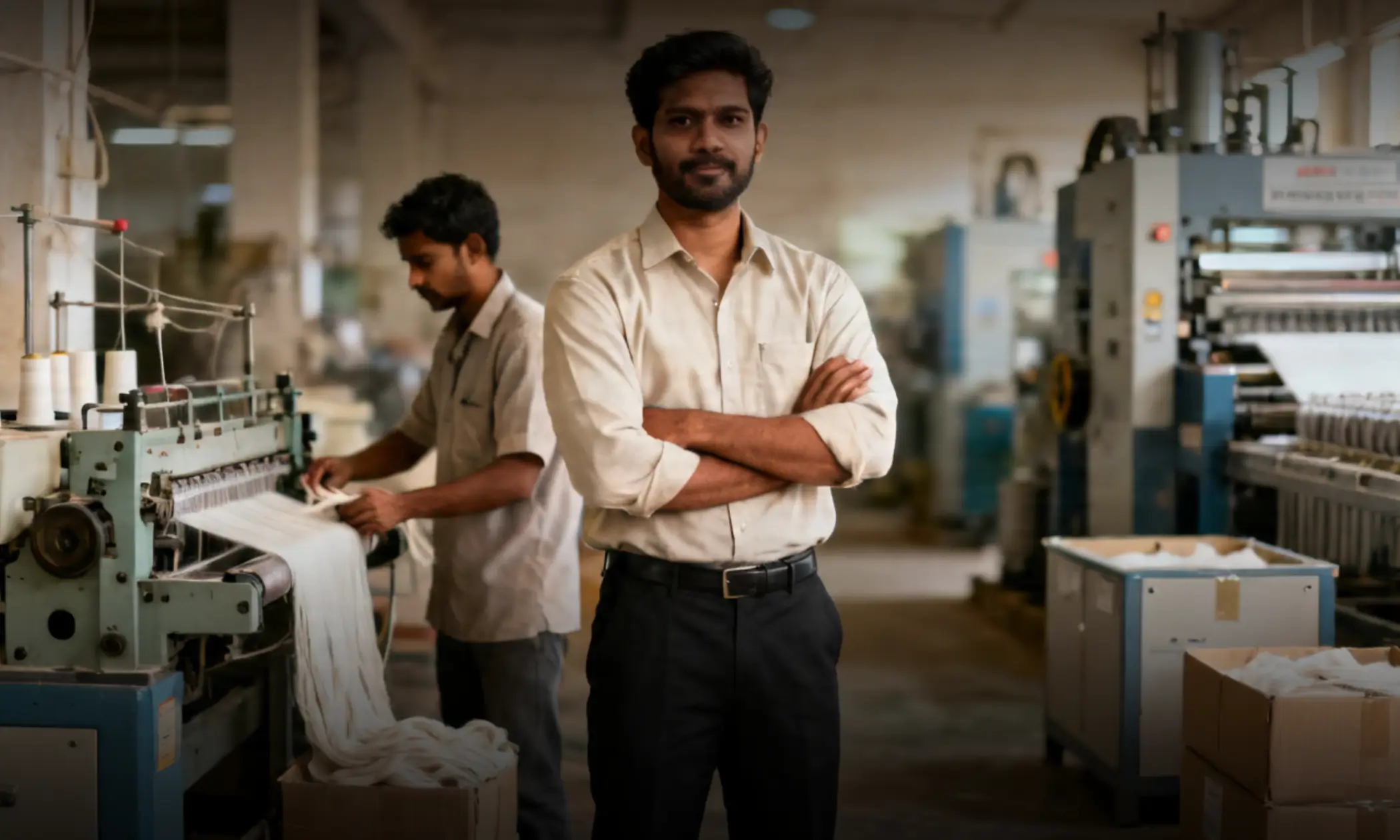
India’s business landscape is witnessing a sharp rise in micro enterprises, driven by digital access, government support, and a growing culture of entrepreneurship. From small manufacturing units to

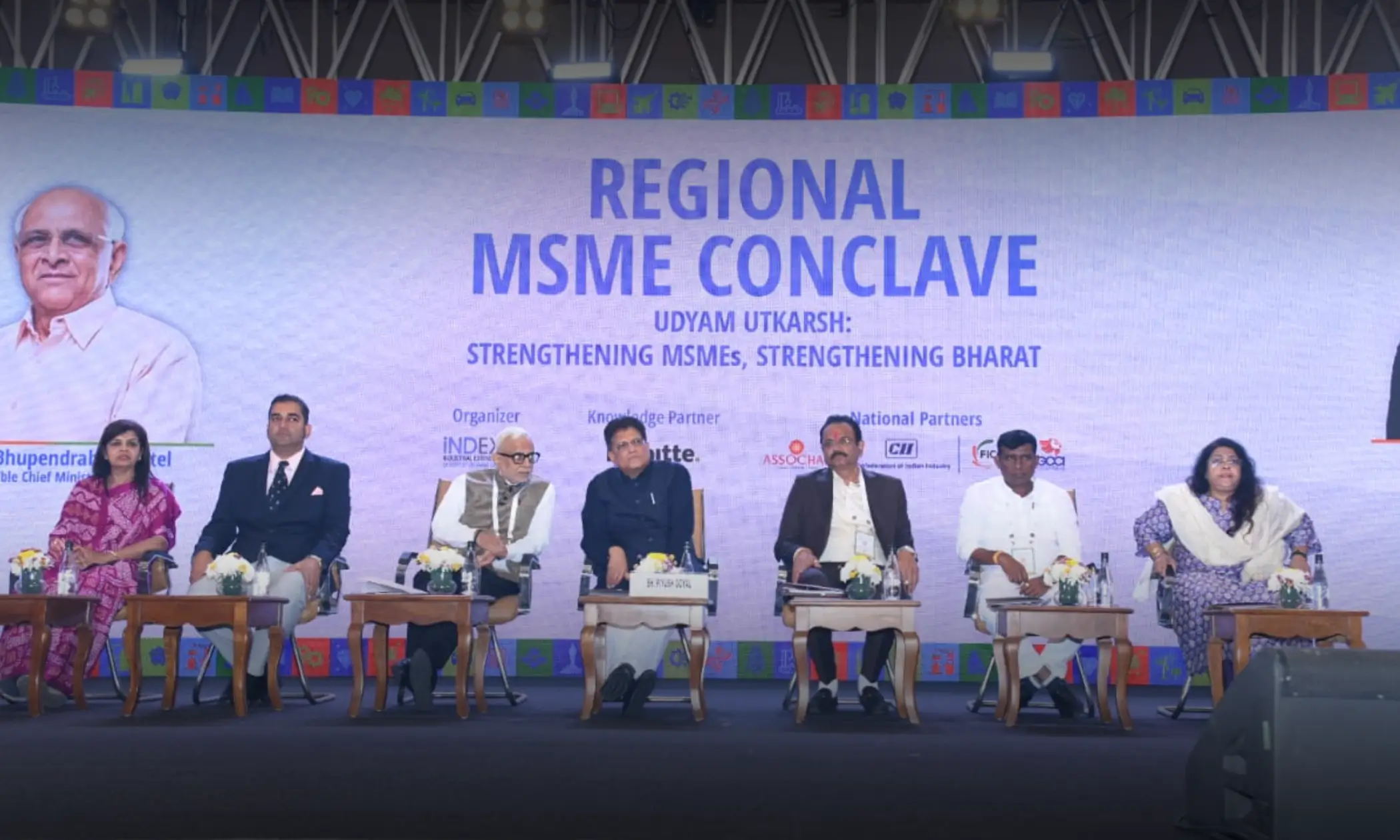
Across India’s business landscape, a noticeable shift is underway. MSME conclaves, trade expos, buyer-seller meets, and sector-specific exhibitions are multiplying in scale and frequency. For years, small and

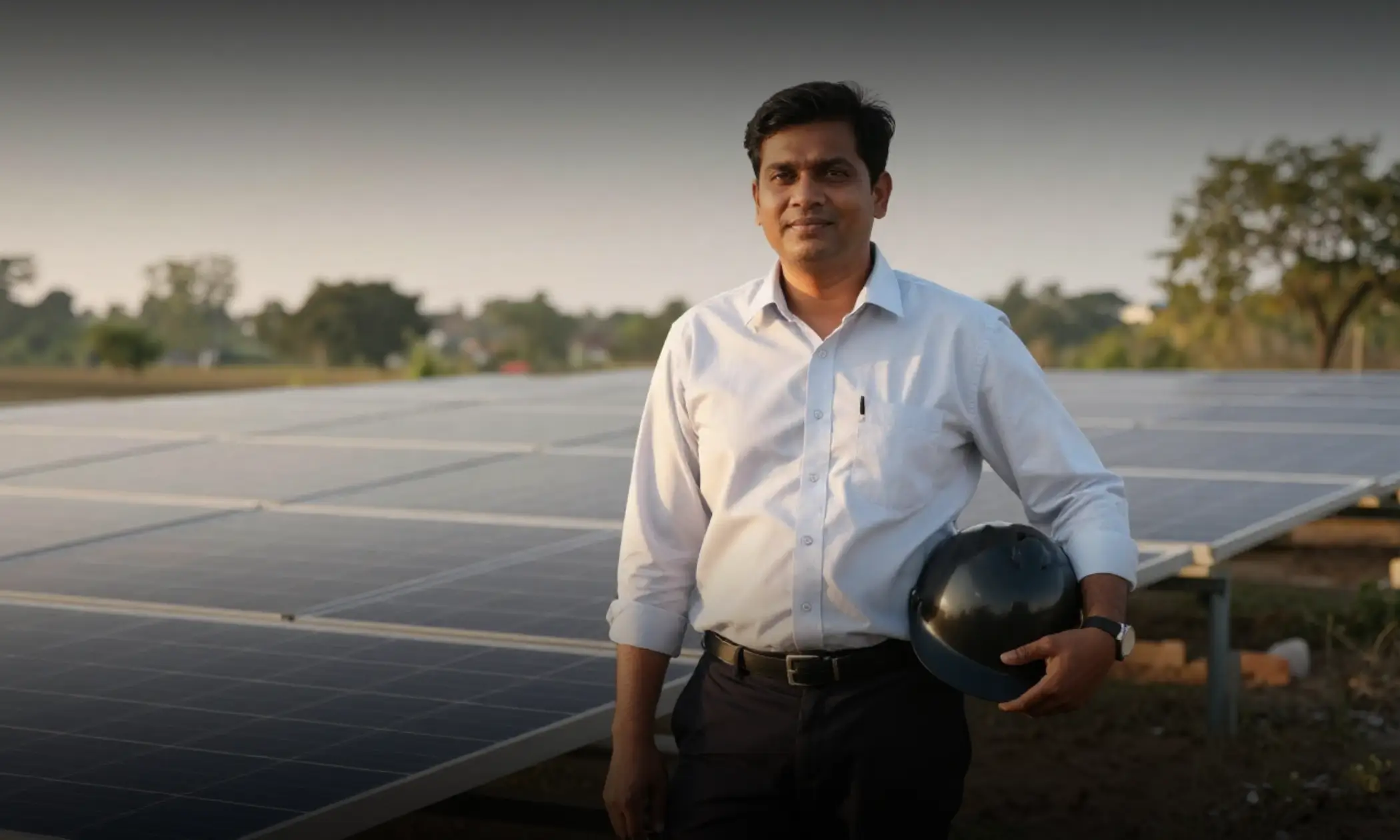
Indian small and medium enterprises are facing a dual challenge in 2026. Rising energy costs are squeezing margins, while global buyers and regulators are pushing for cleaner, more
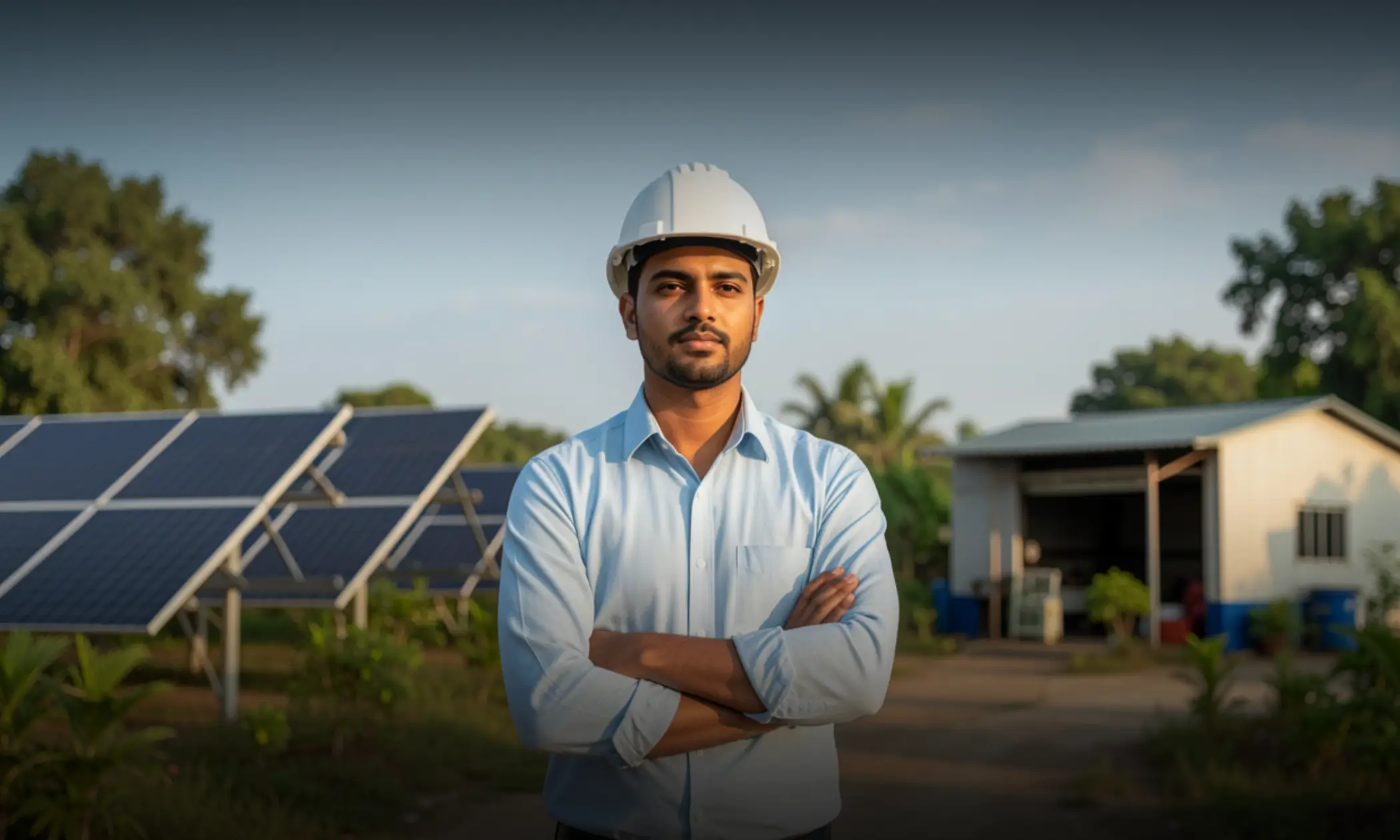
India’s push toward sustainability is entering a decisive phase, and small and medium enterprises are at the center of this transition. With stricter environmental norms, rising energy costs,
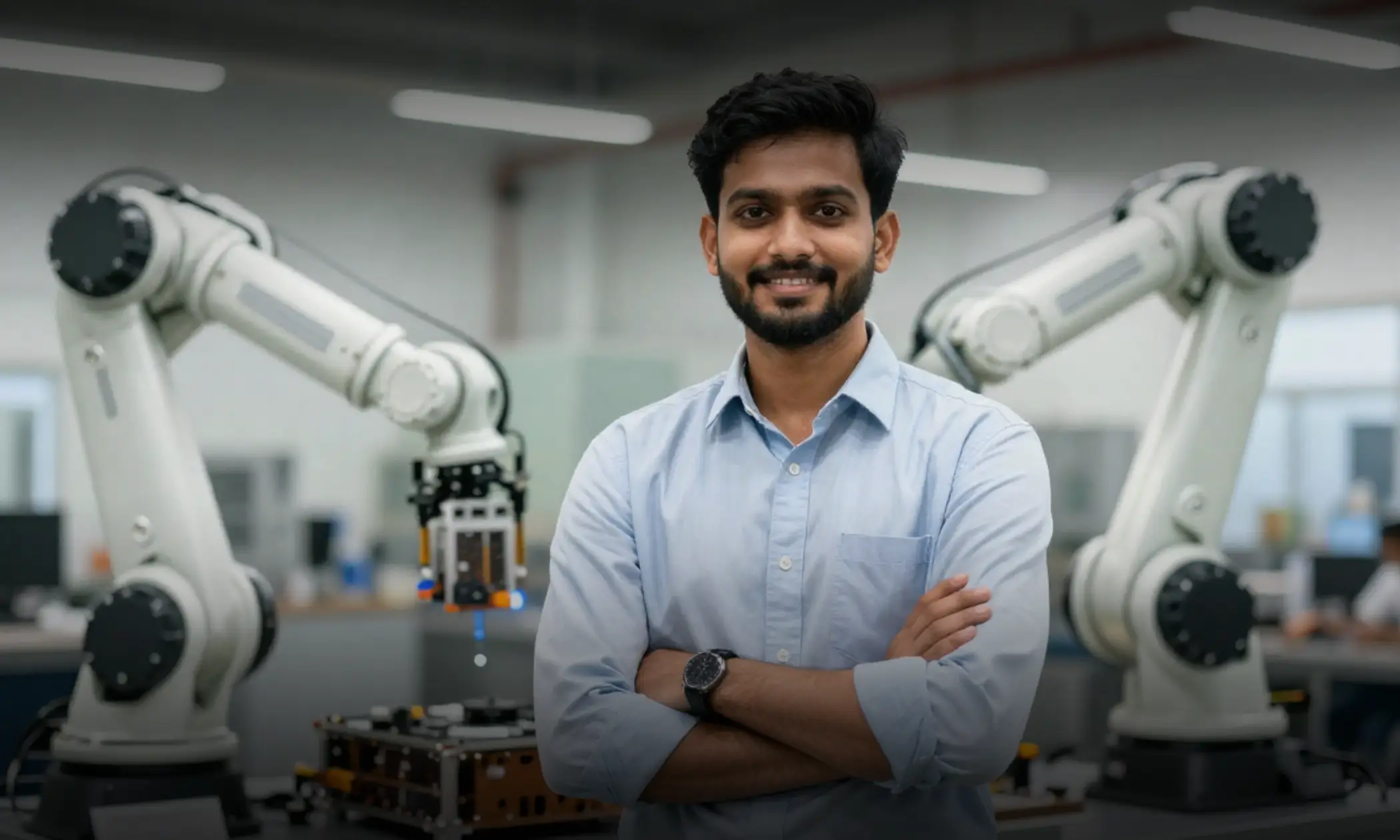
Indian small and medium enterprises are entering a new phase of industrial transformation as smart manufacturing and artificial intelligence move from concept to implementation. What was once limited
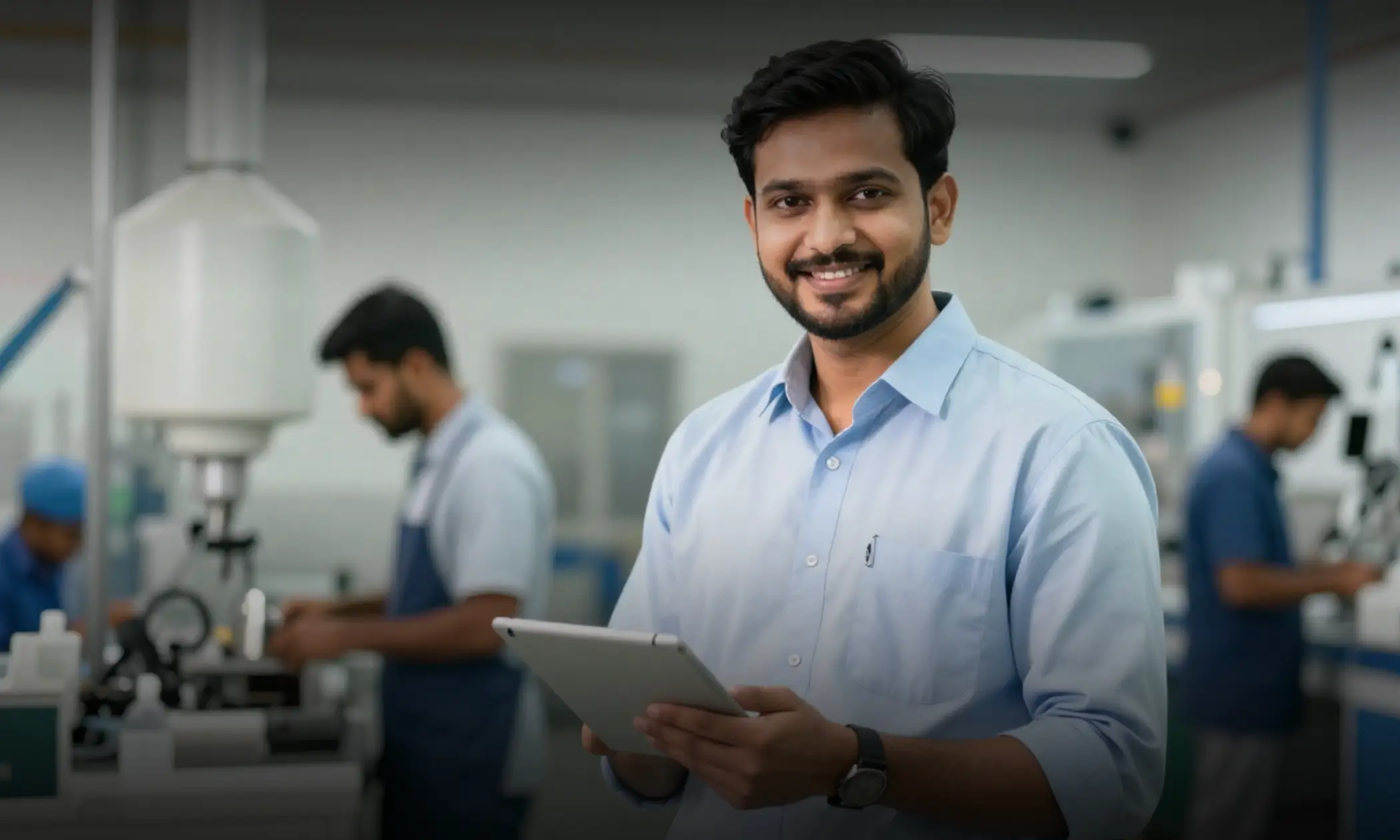
India’s Budget 2026 has sent a clear message to the country’s small and medium enterprises. Digital is no longer optional. It is becoming the backbone of how businesses